July 1, 2026
Wild Team
elopement services
wedding services
Ritual Study #1 The Psychology of Ritual by Murry Hope
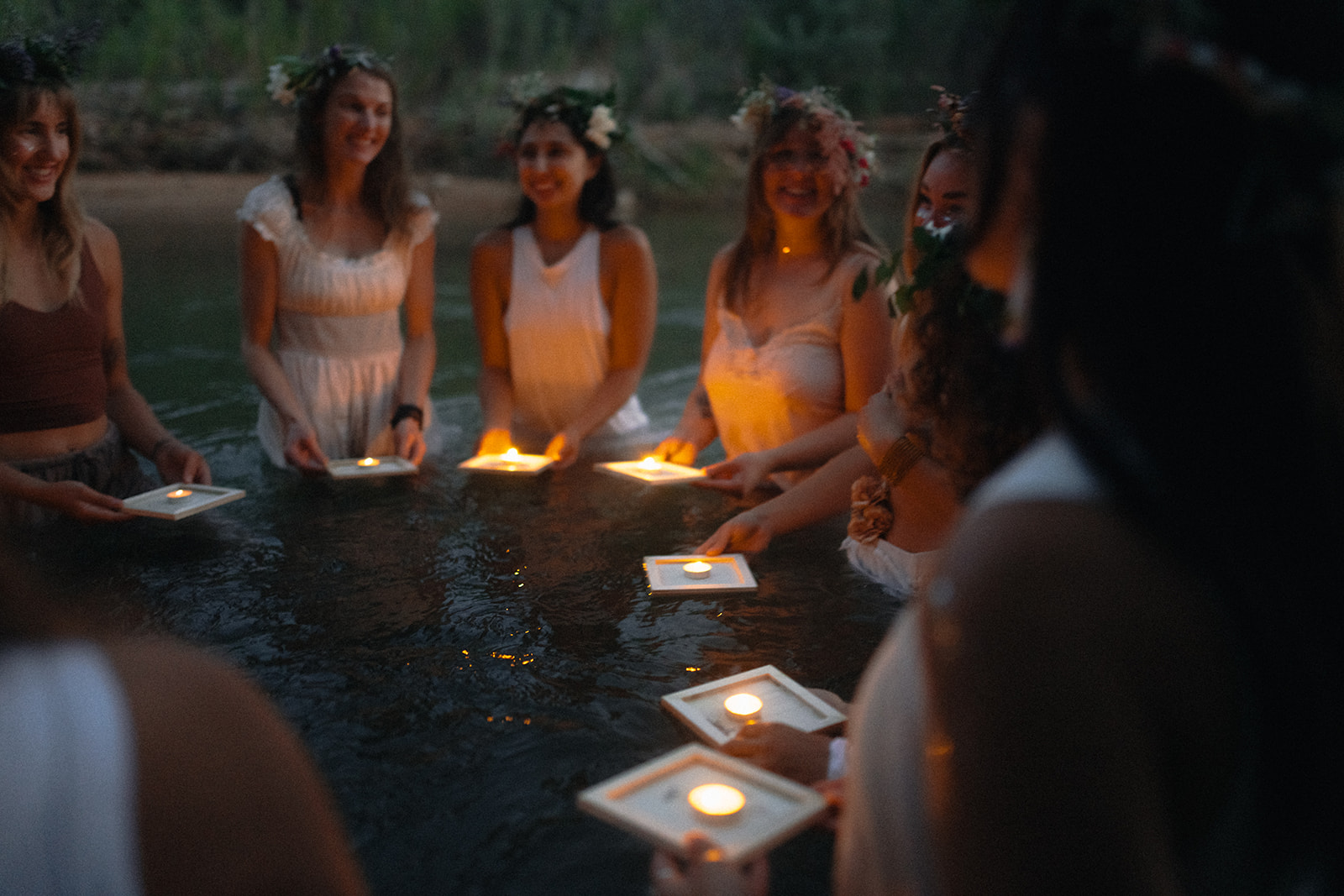
Table of Contents
Yes. This is The Psychology of Ritual by Murry Hope, first published by Element Books in the late 1980s/early 1990s. It’s about how ritual works on the human mind, from everyday habits to sacred ceremony, magic, healing, cultural rites, and symbolic transformation. Public listings describe it as examining “the birth, growth, history and heritage of the rite” and its influence on cultural development.
At its heart, the book argues that ritual is not just decoration around belief. Ritual is a psychological technology. It gives invisible inner experiences a visible shape: grief becomes a funeral, commitment becomes a wedding, transition becomes initiation, fear becomes protection, longing becomes prayer. Ritual is the bridge between the subconscious and the physical world.
Murry Hope approaches ritual through a very esoteric/New Age lens. She was an English writer and occultist who wrote widely on magic, consciousness, healing, Egypt, ancient traditions, and transpersonal experience. So this book is not a modern clinical psychology textbook. It is more of a crossroad book: psychology, anthropology, spirituality, symbolism, mythology, and ritual magic all sitting around the same candlelit table.

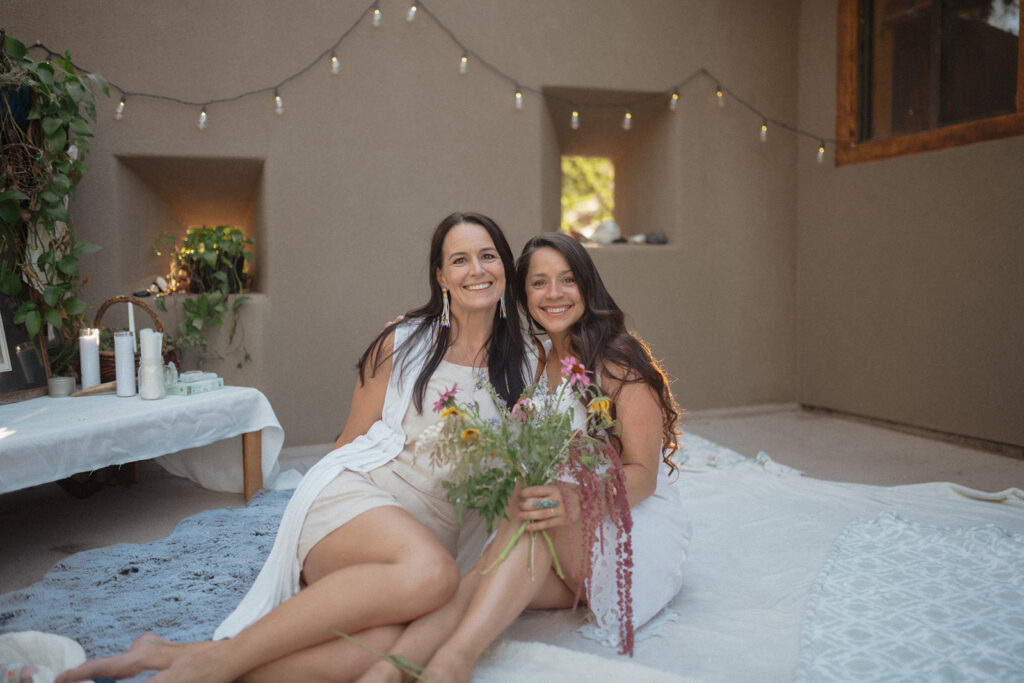
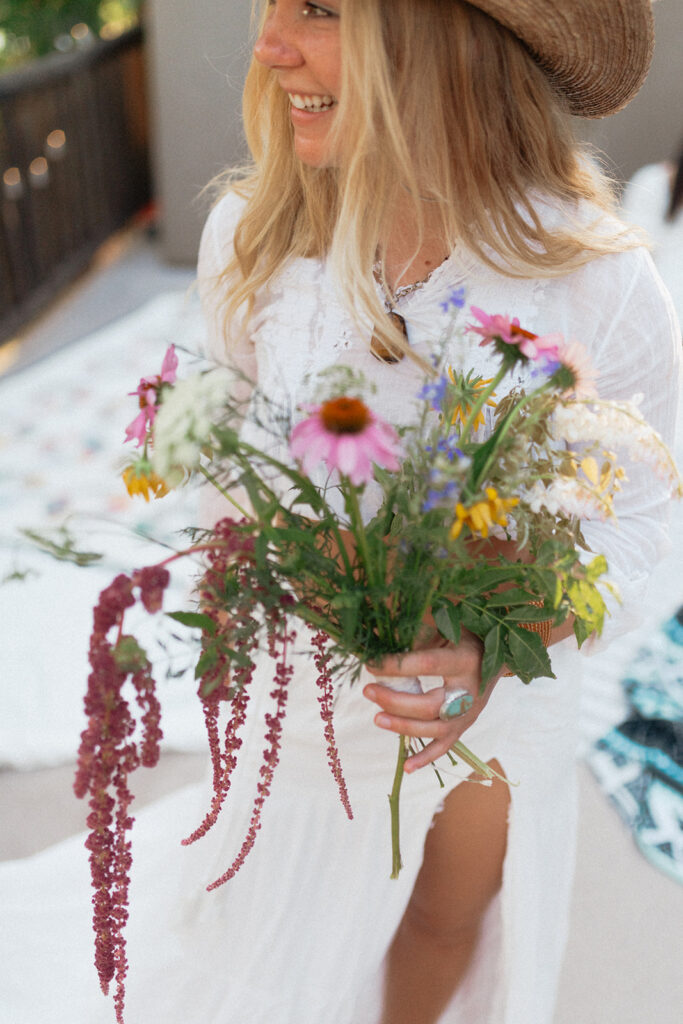
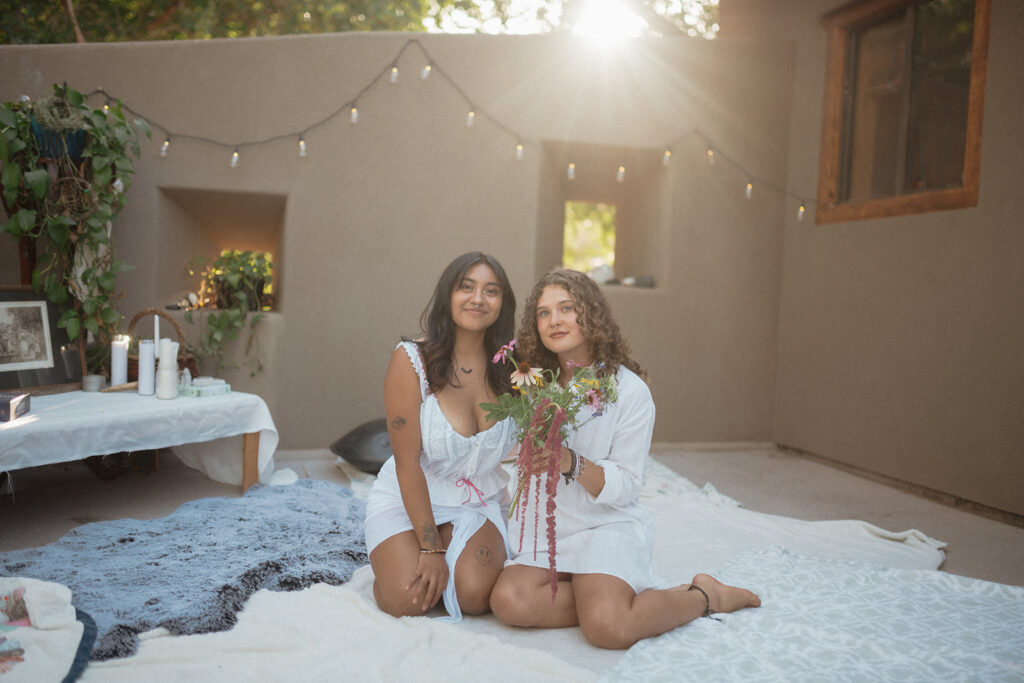
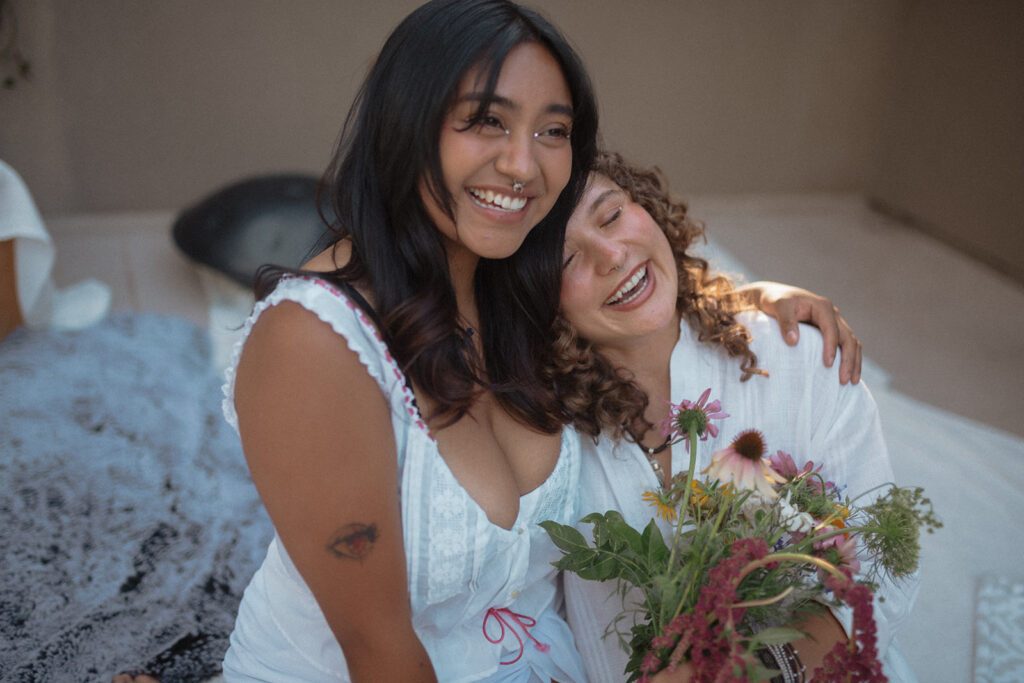
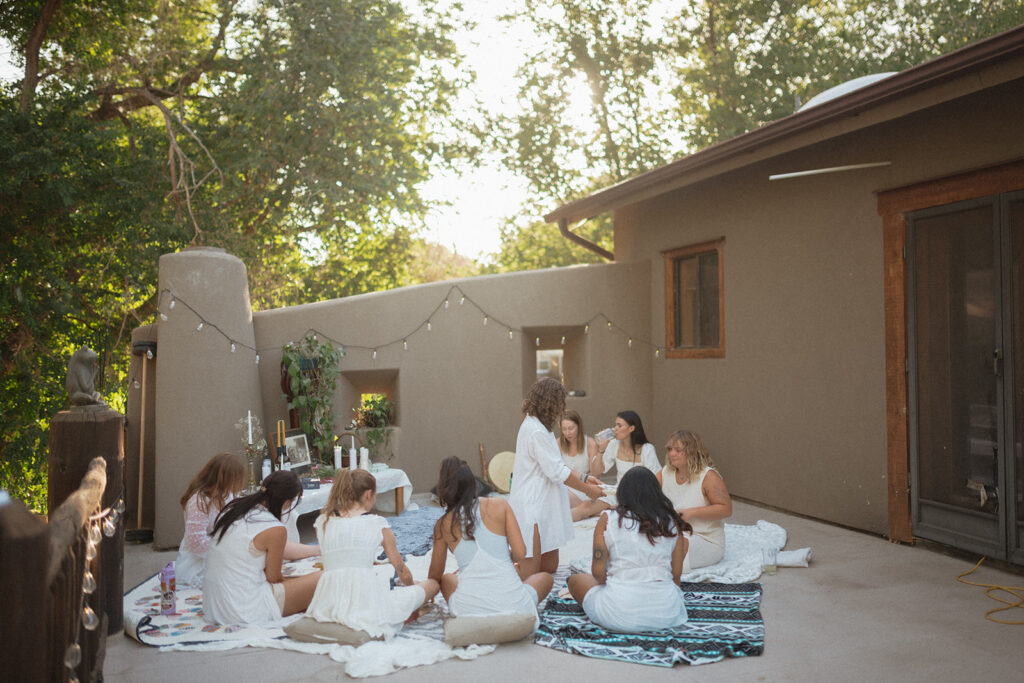
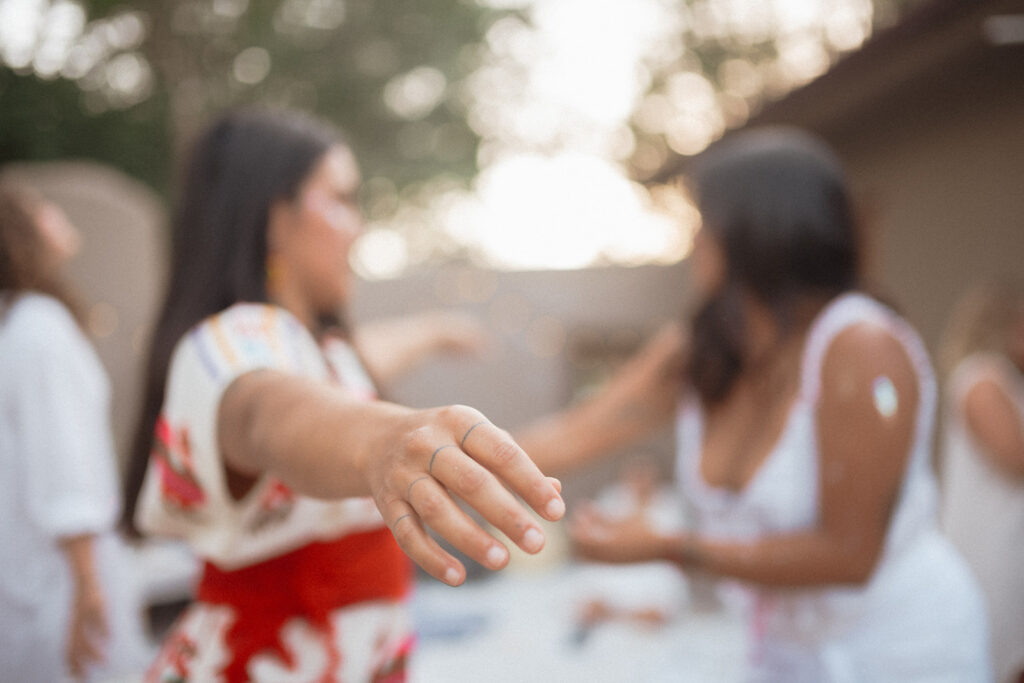
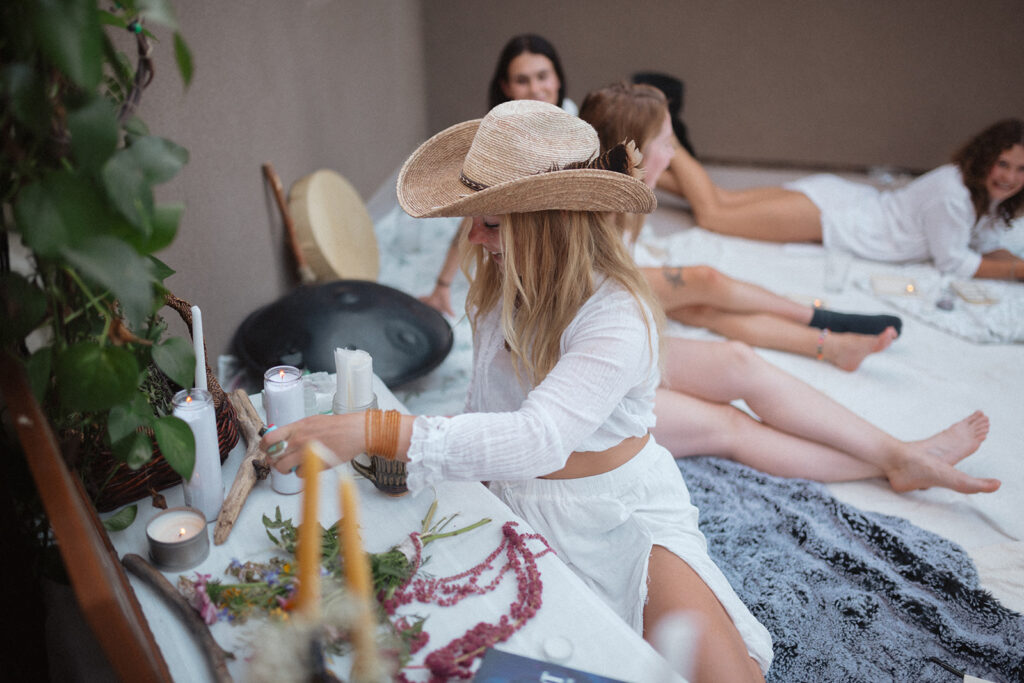
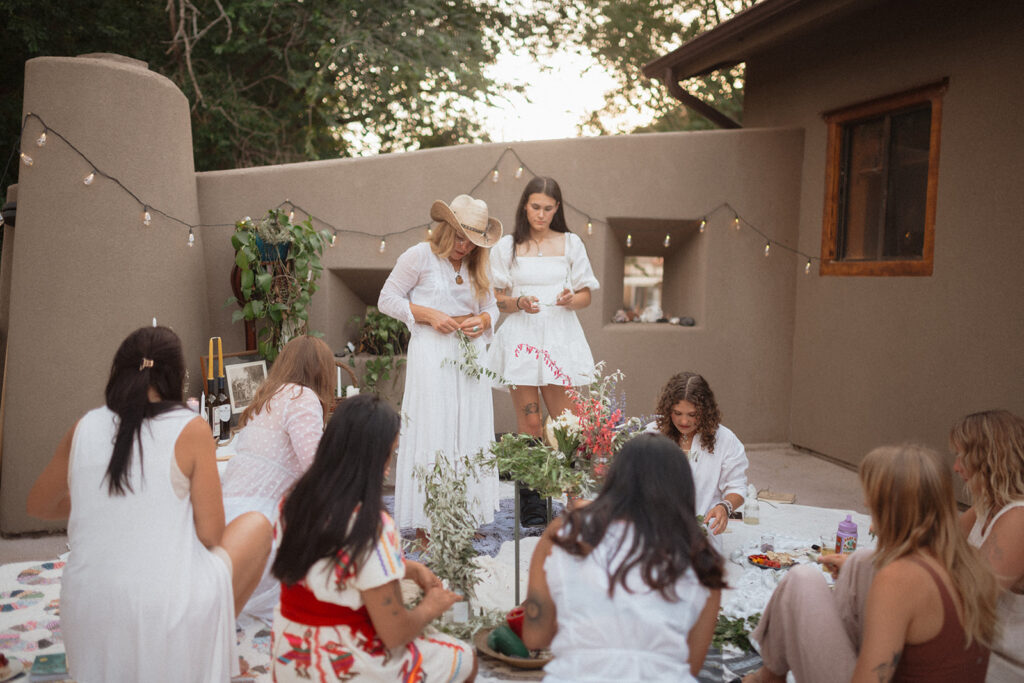
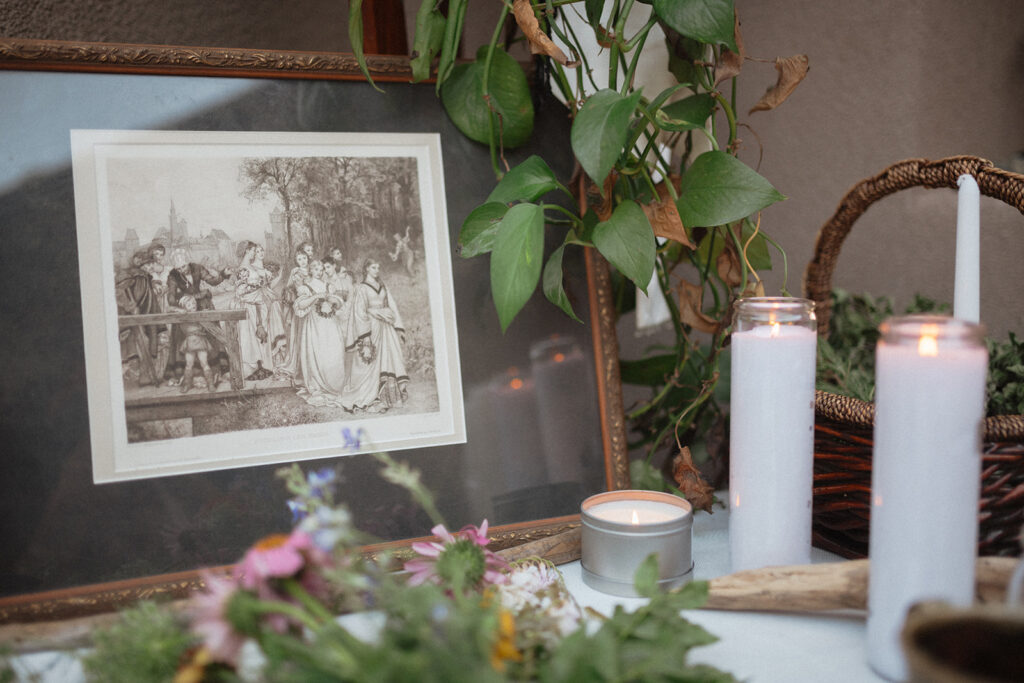
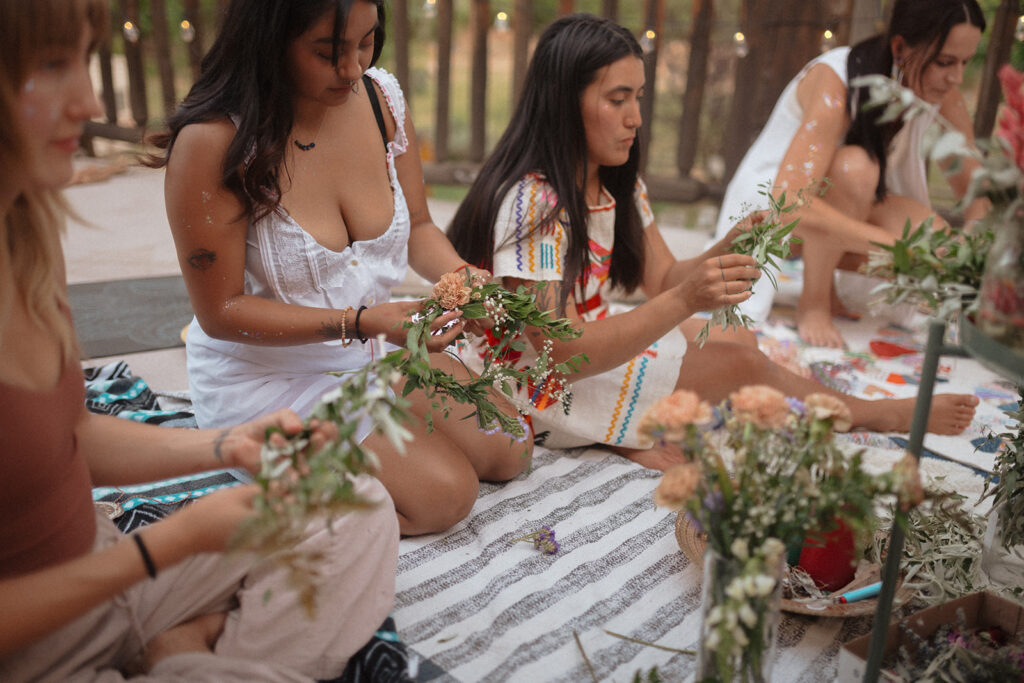
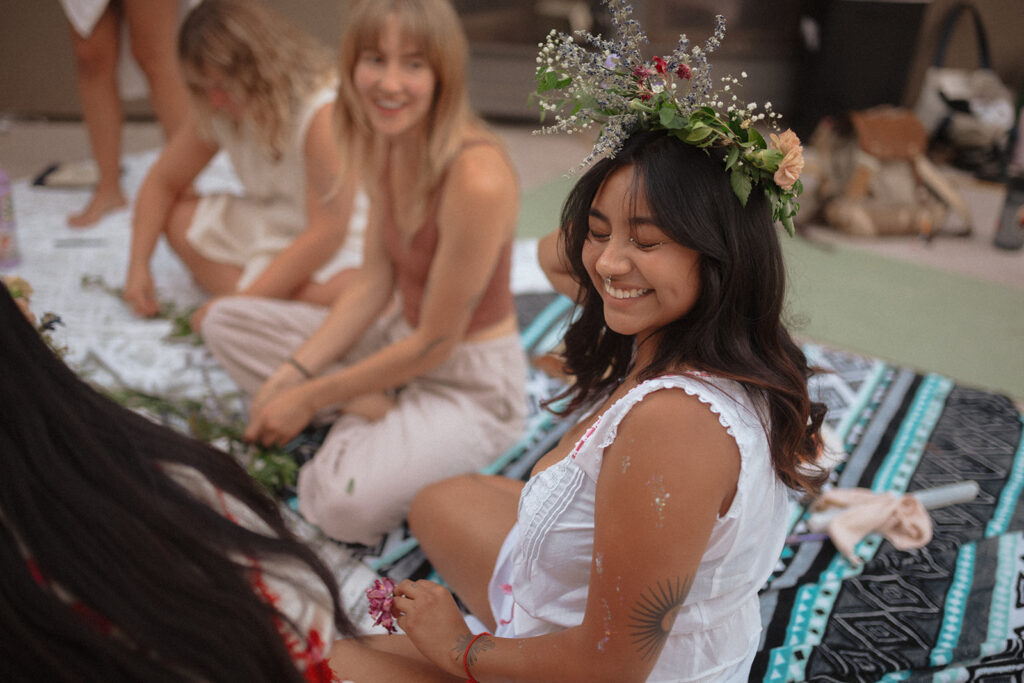
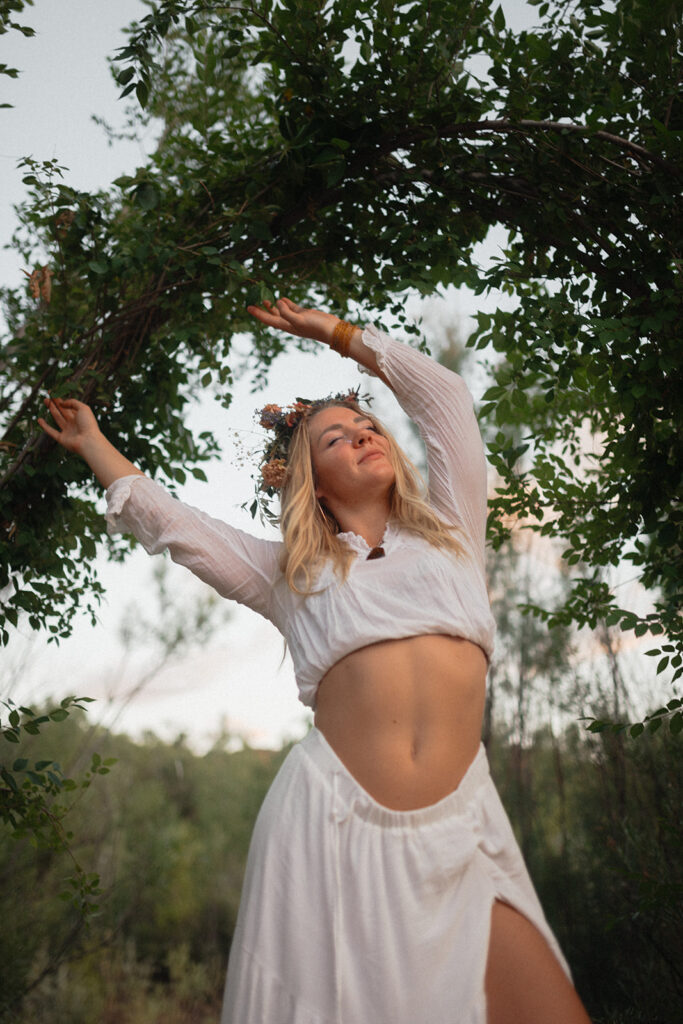
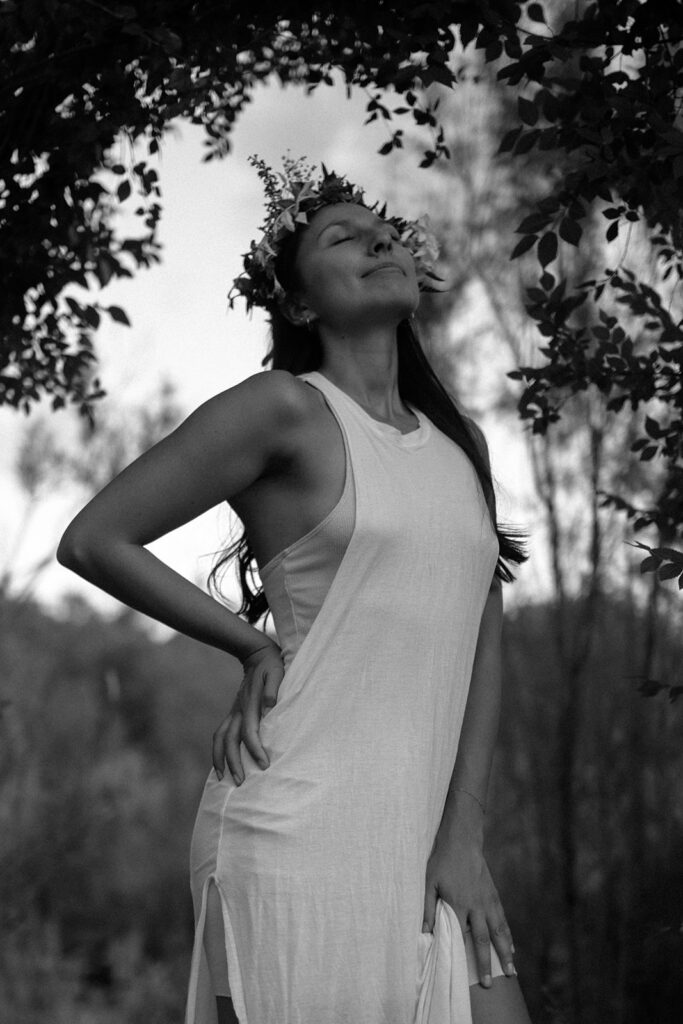
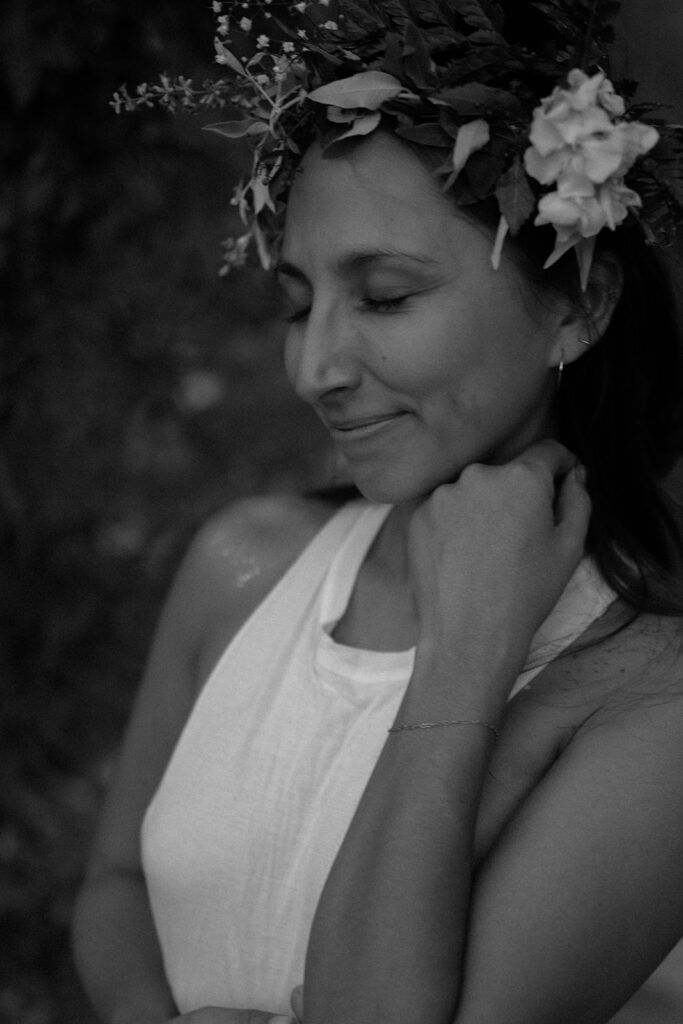
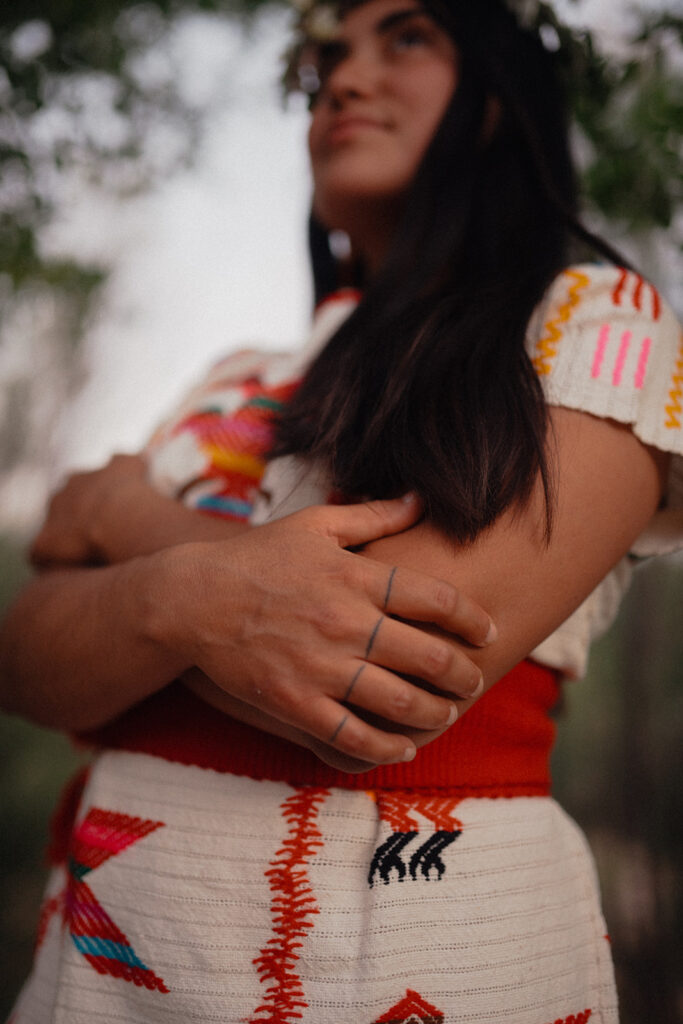
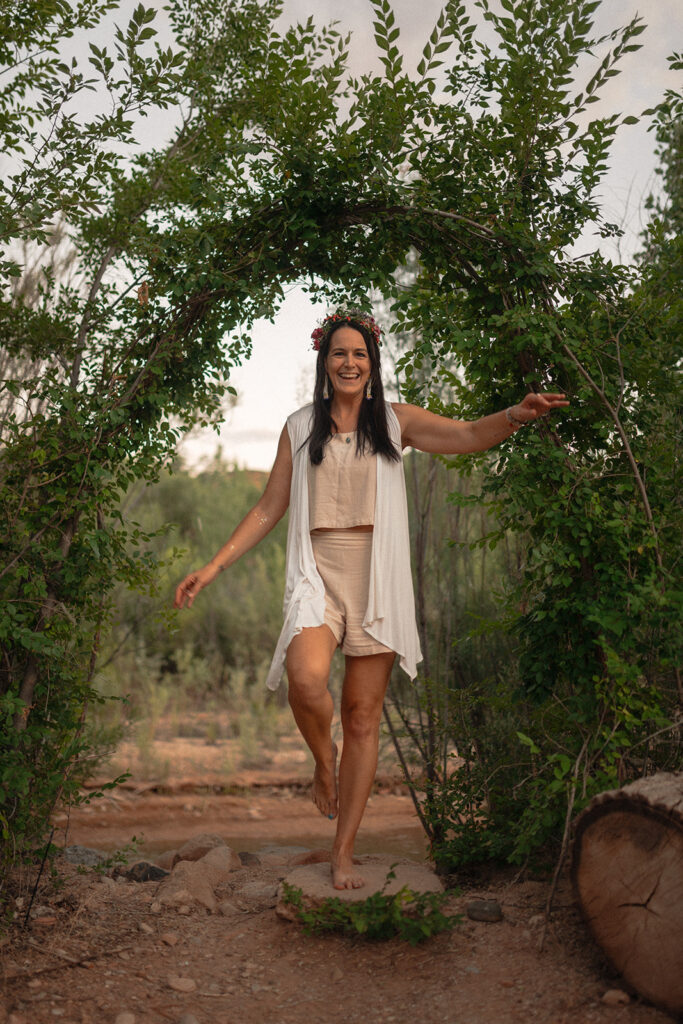
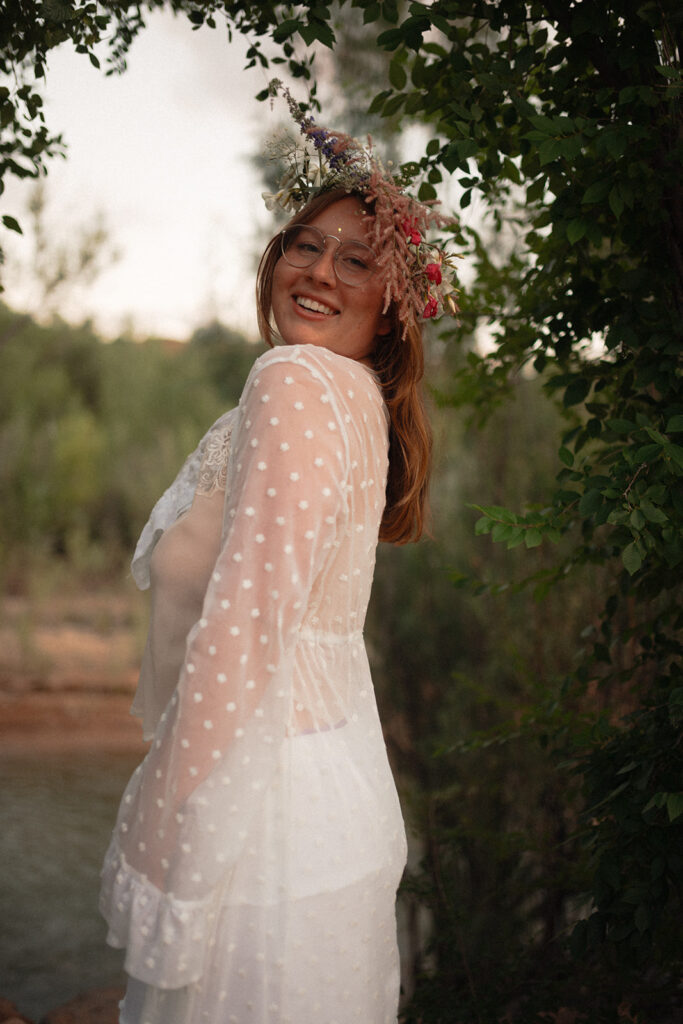
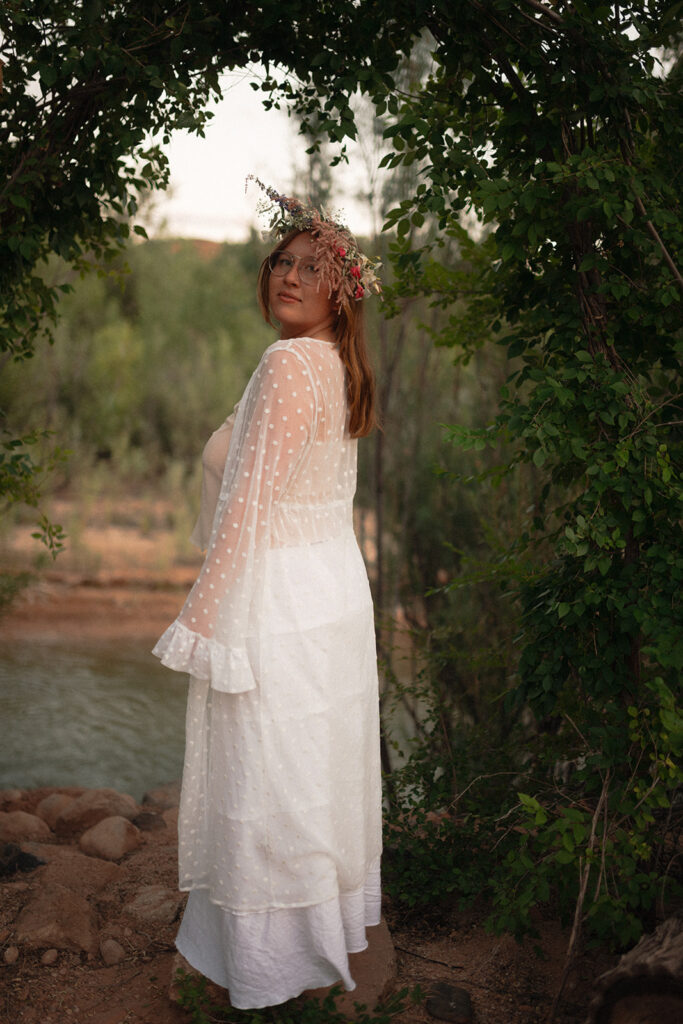
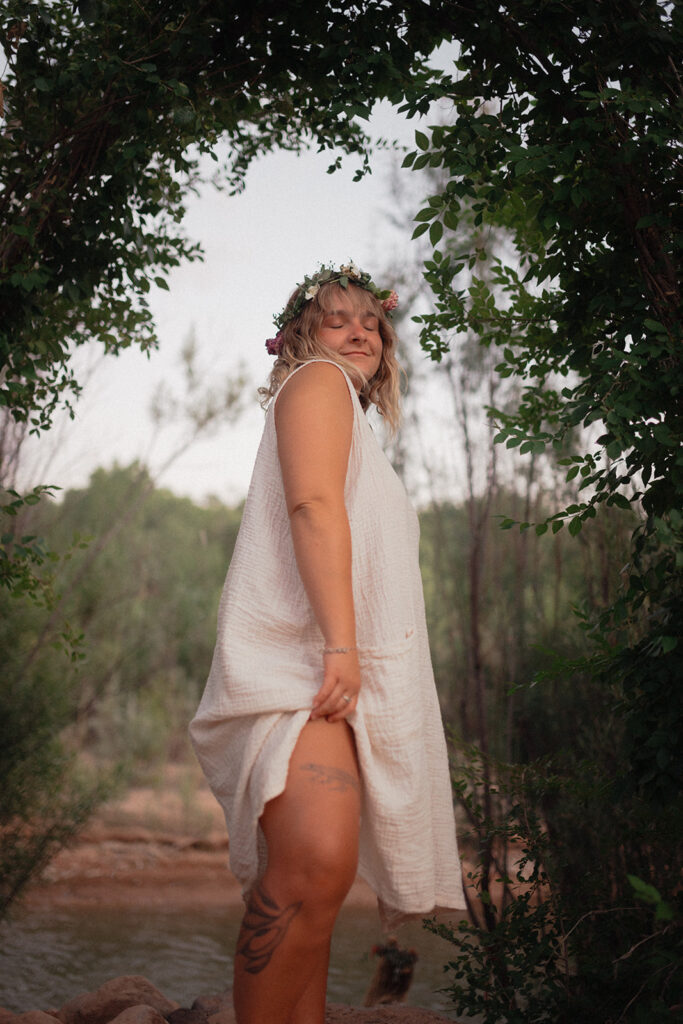
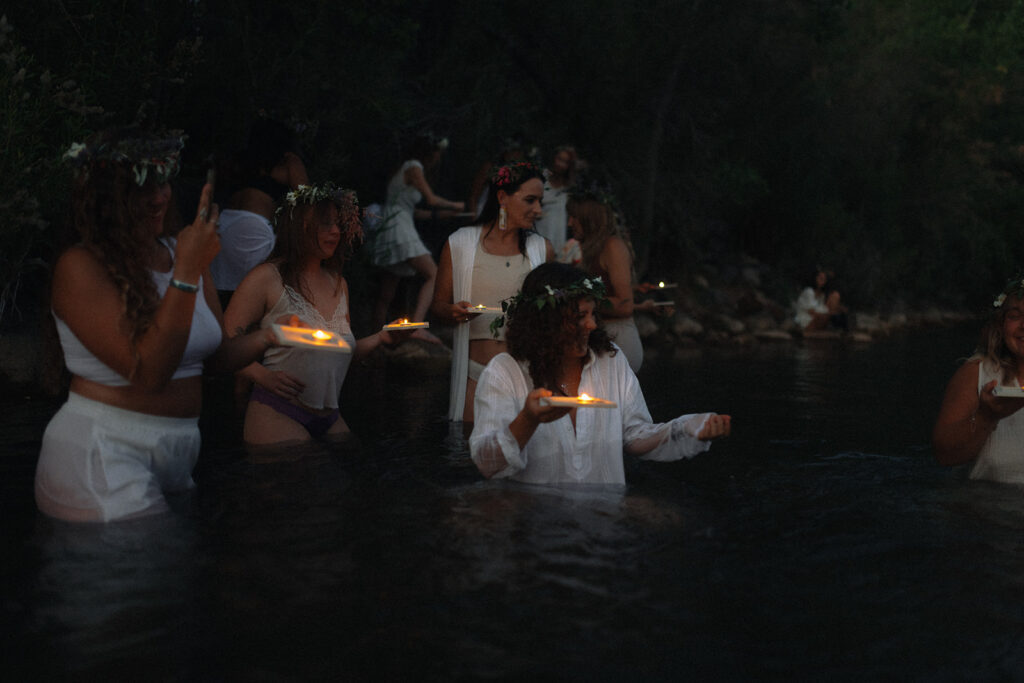

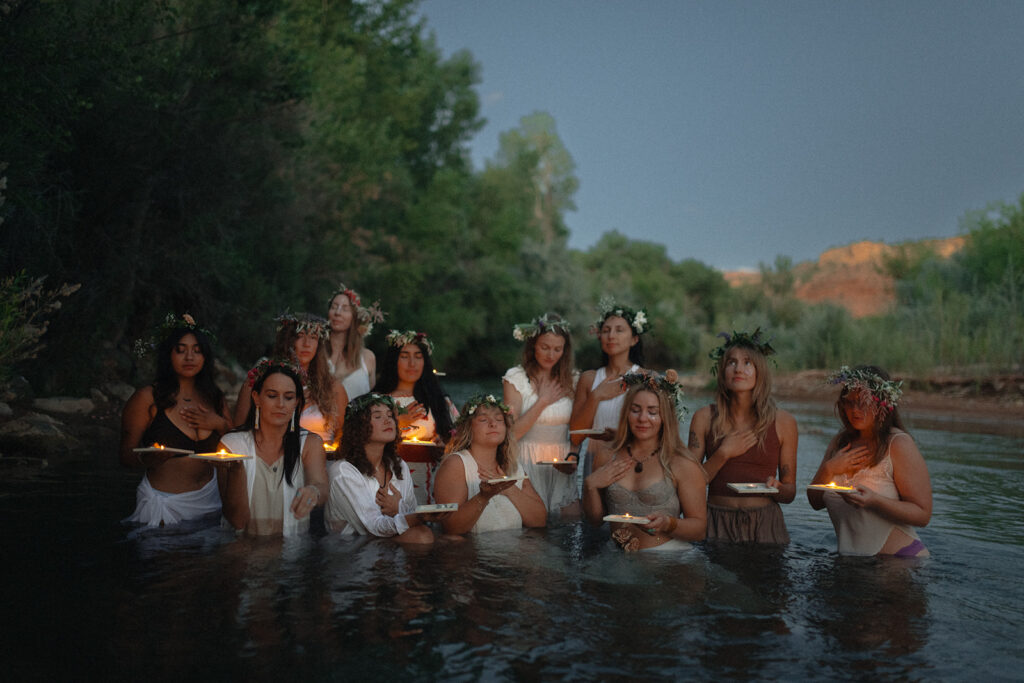
The likely main ideas:
Ritual creates order from chaos.
Humans use repeated actions, symbols, words, gestures, and sacred timing to make life feel intelligible. Birth, death, marriage, illness, seasonal change, fear, desire, and loss are too large to hold raw. Ritual gives them a container.
Ritual speaks to the subconscious.
The subconscious does not respond only to logic. It responds to image, rhythm, repetition, color, sound, movement, archetype, and atmosphere. A ritual works because it bypasses ordinary chatter and enters the deeper symbolic mind.
Ritual changes identity.
A rite of passage tells the psyche: “You are no longer who you were.” This is why initiations, weddings, funerals, graduations, baptisms, and naming ceremonies matter. They do not merely announce change. They help the mind metabolize it.
Ritual binds communities.
Shared ceremony creates belonging. A group that sings, mourns, eats, prays, dances, or marks time together becomes psychologically stitched. Ritual says: “We are part of the same story.”
Ritual can heal.
Hope likely explores healing ritual as a way of gathering scattered emotion, focusing intention, and giving symbolic release. This is where her spiritual and occult background matters. She would likely treat healing as emotional, energetic, symbolic, and spiritual, not just medical.
Ritual lives in ordinary life too.
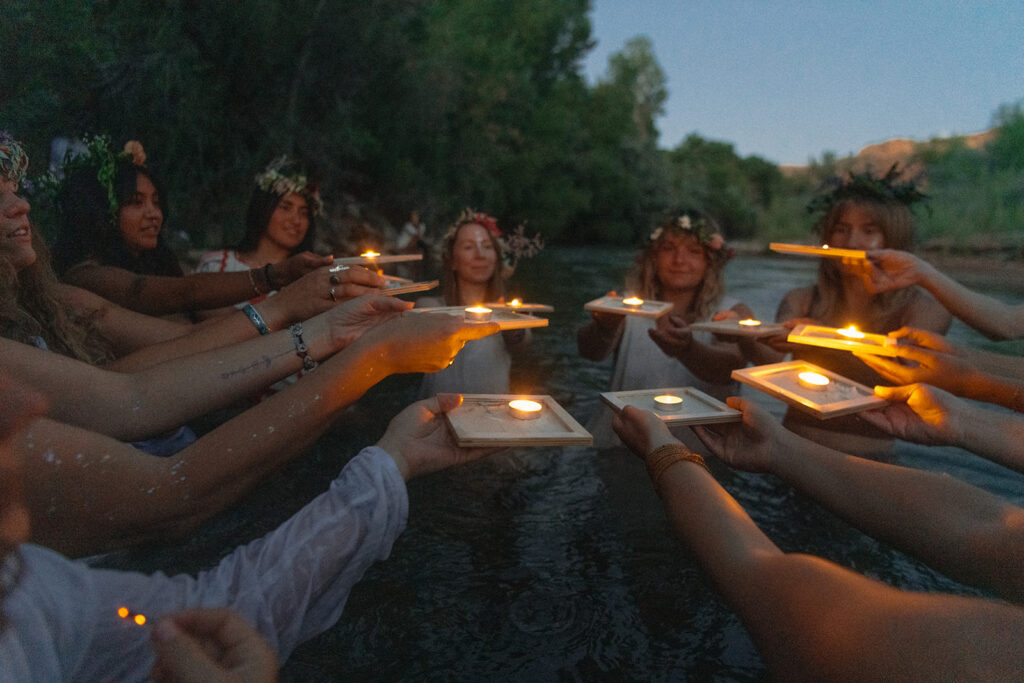
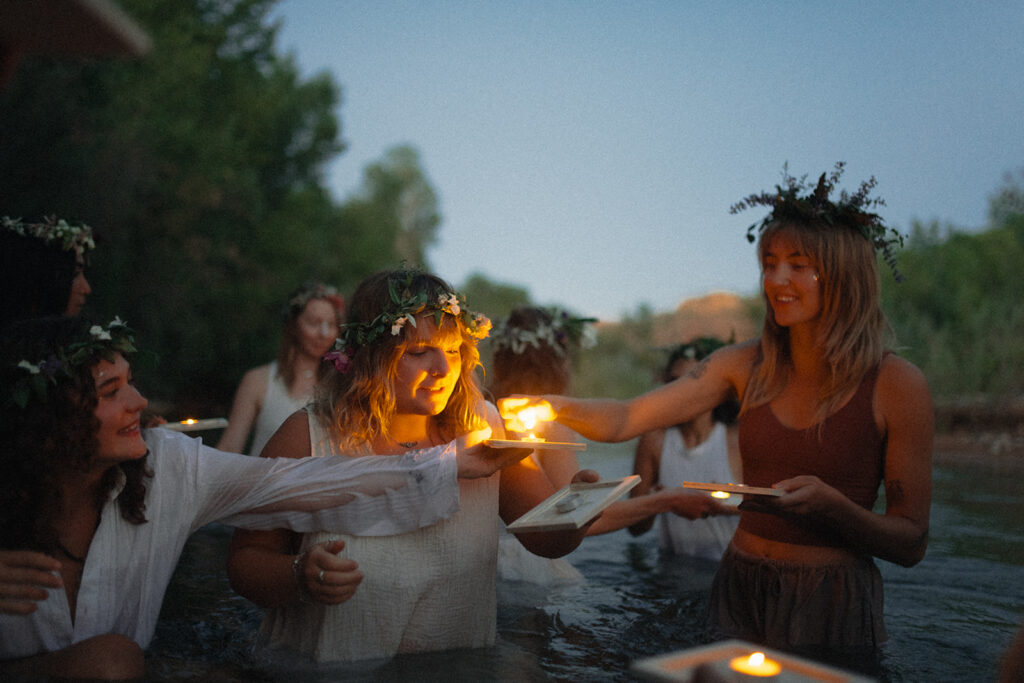
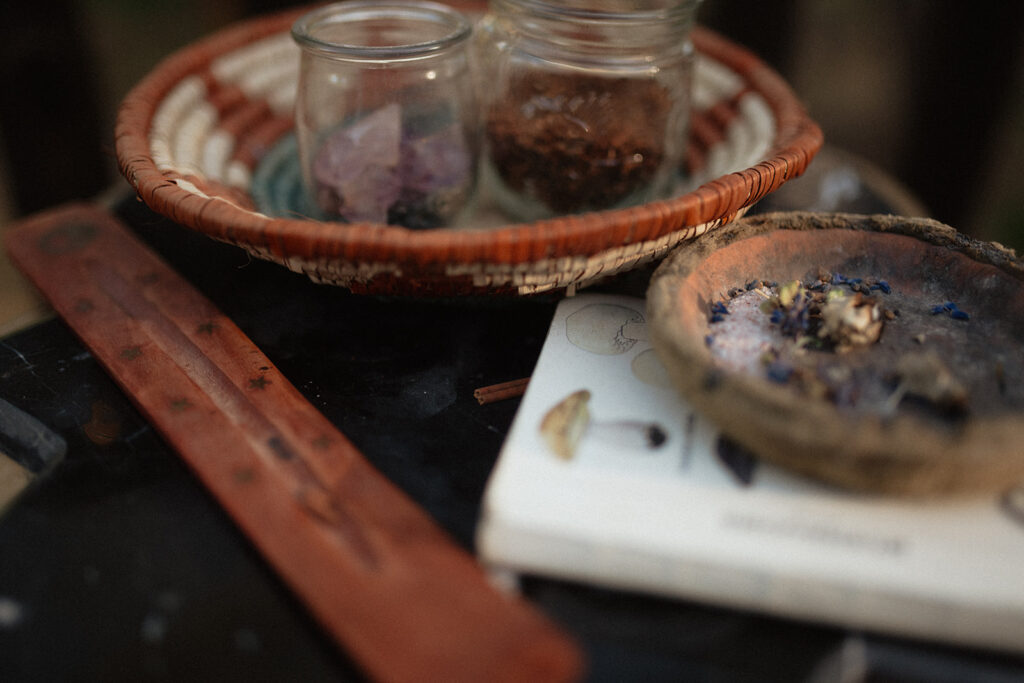
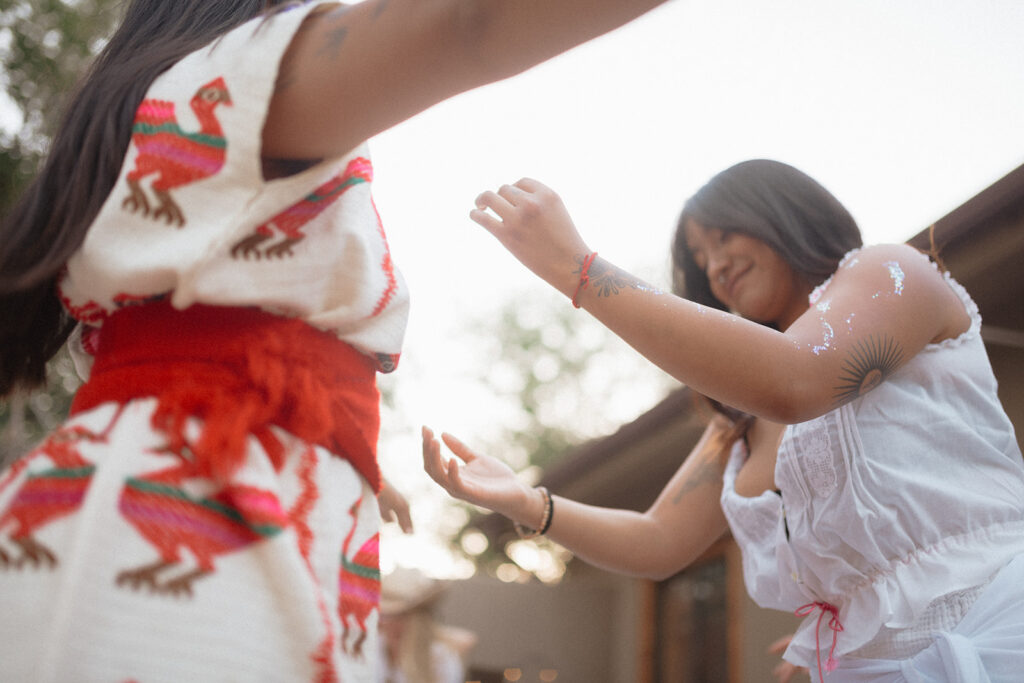
Morning routines, preparing tea, lighting candles, dressing for an occasion, returning to a place, saying certain words before a trip, keeping anniversaries, making offerings, photographing milestones: these are small rituals. The book’s larger point is that humans are ritual-making creatures whether or not we call ourselves religious.
Symbols are the ritual’s language.
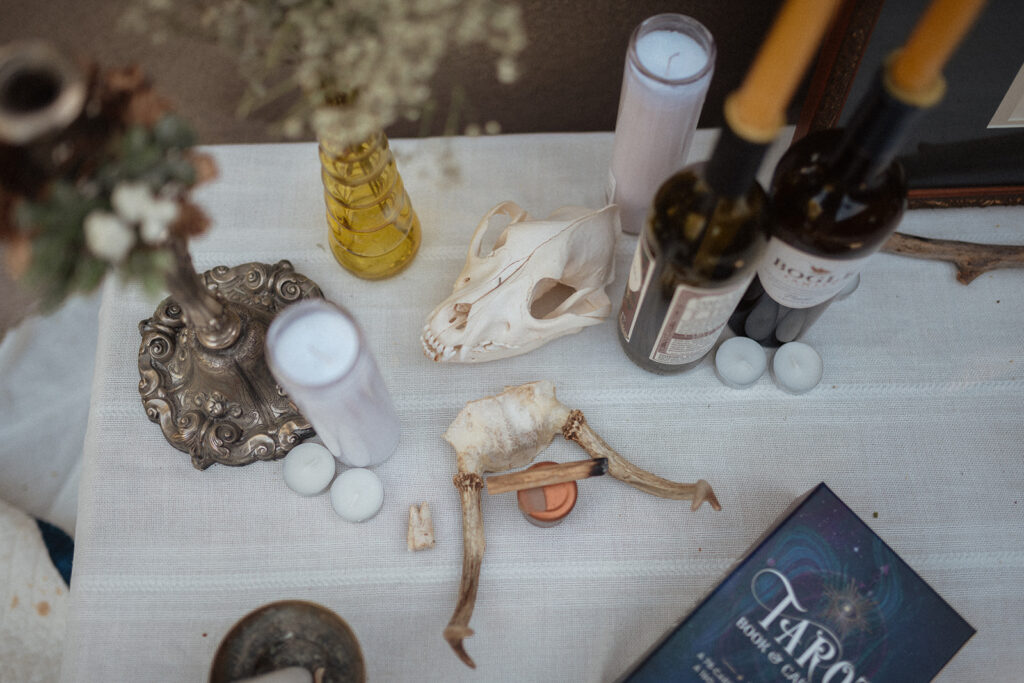
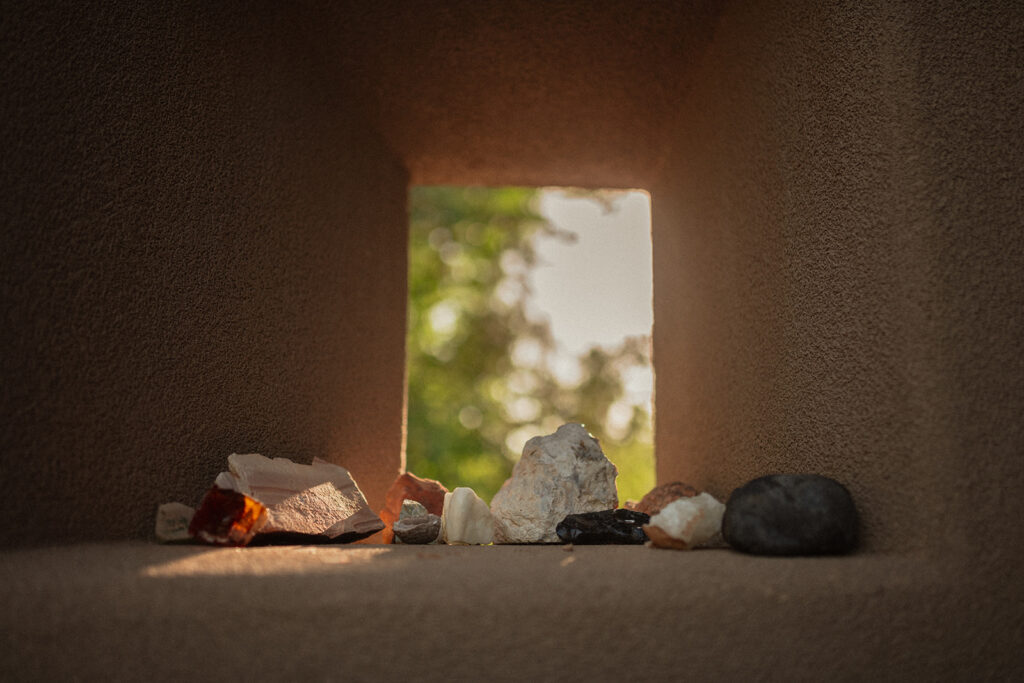
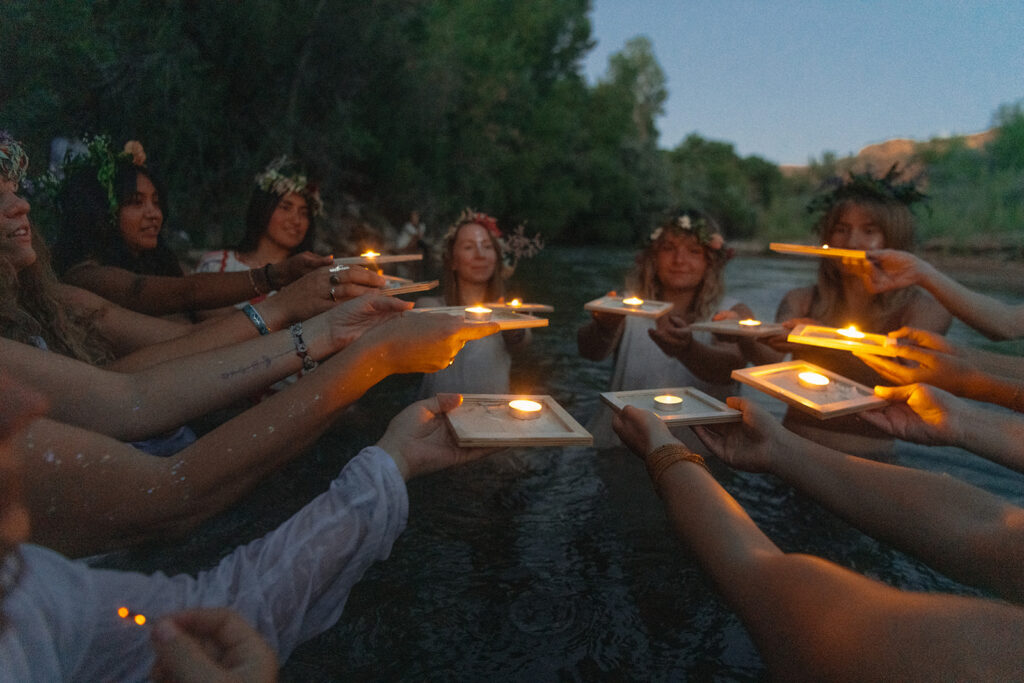
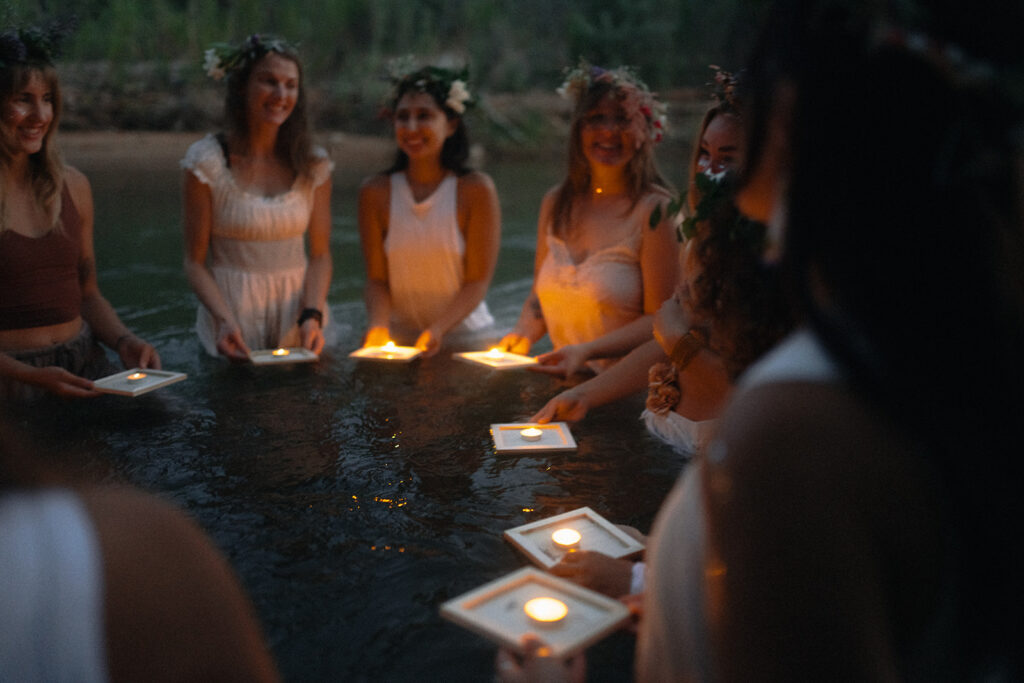
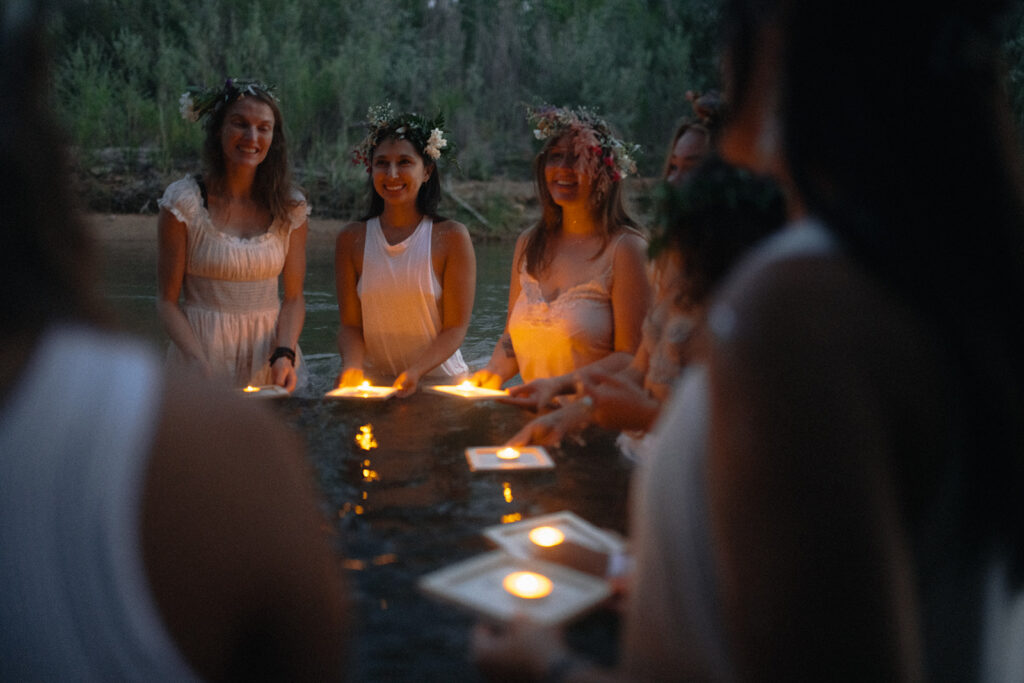
Objects matter because they carry psychic charge. A ring, veil, knife, cup, flame, river, stone, altar, animal, moon, threshold, mask, or color can become a doorway into meaning. Ritual uses these symbols to concentrate attention.
The book’s deeper message is probably this: ritual is how humans turn experience into meaning. Without ritual, life events can pass through us like weather. With ritual, they become marked, witnessed, integrated, and remembered.
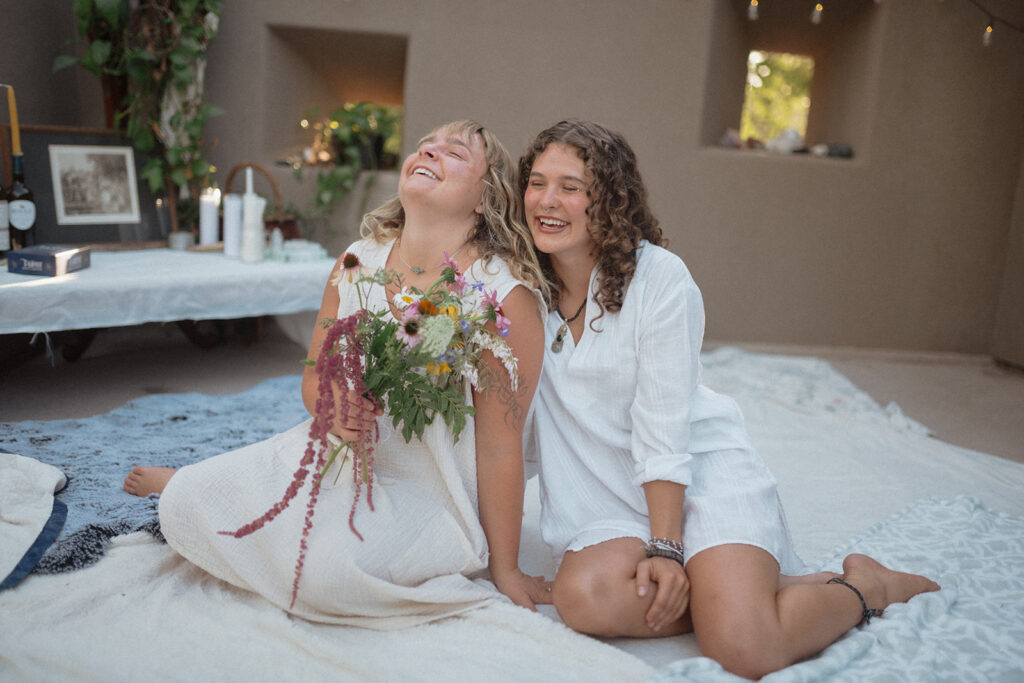
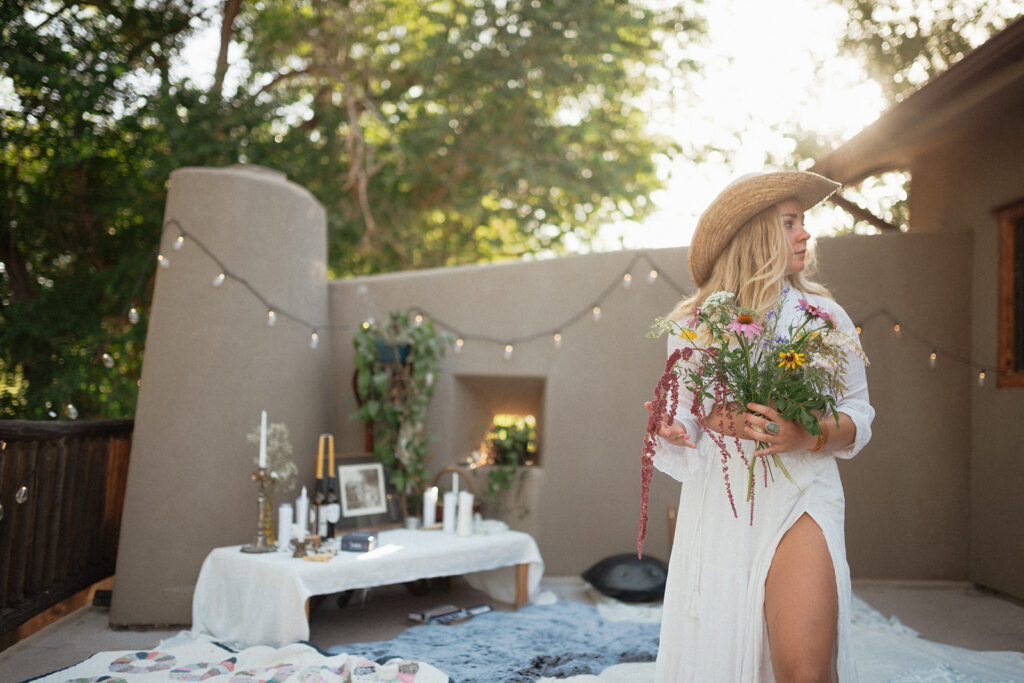
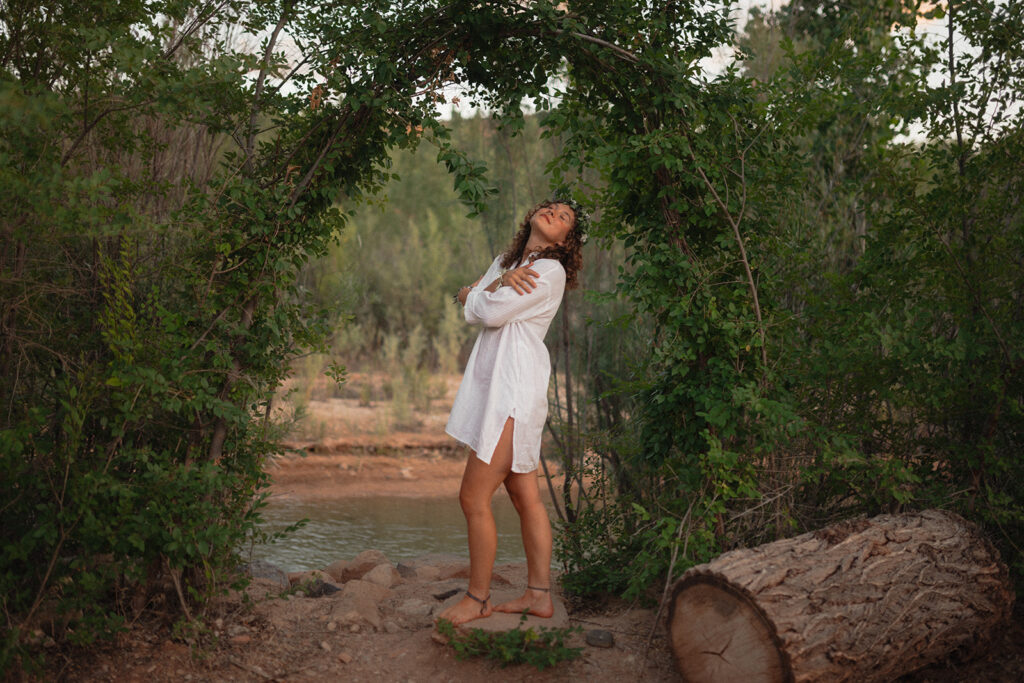
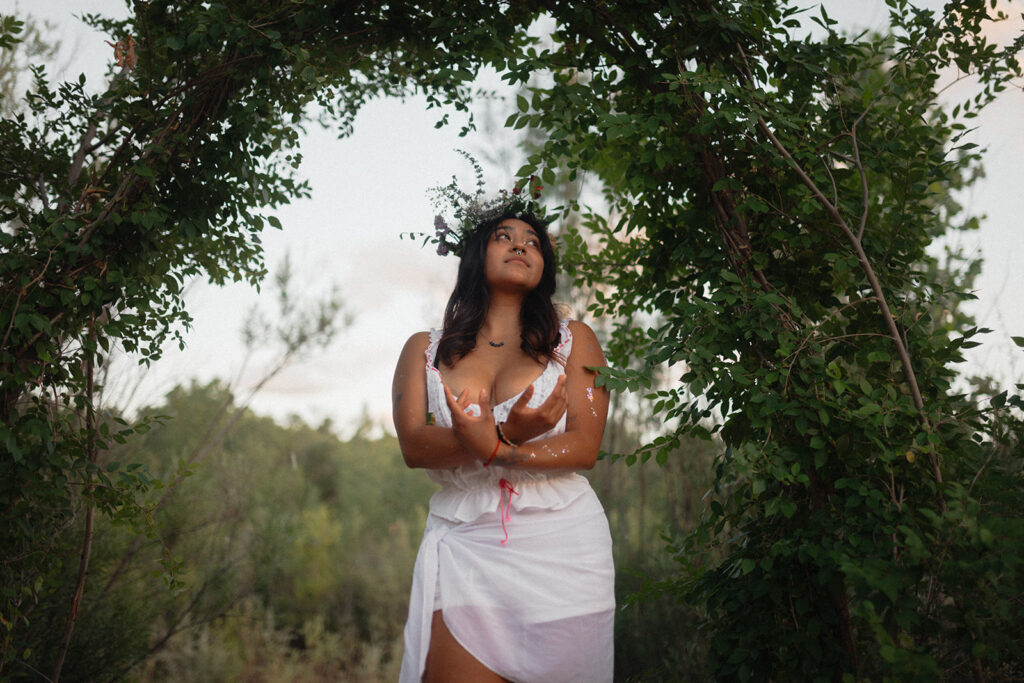
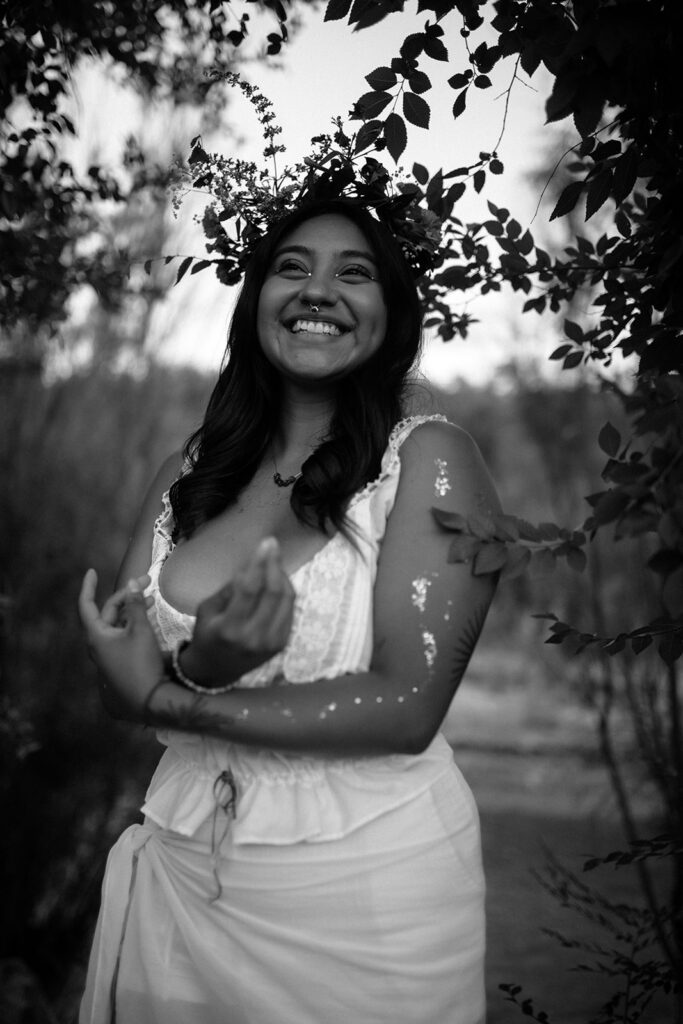
It supports the idea that weddings, vows, proposals, grief sessions, yearly albums, and even photography itself are not just services. They are containers for transformation. A photo can become an altar object. A ceremony can become a psychological crossing. A repeated yearly practice can become identity preservation. That is exactly the kind of experience I want to build with and for everything person I work with.
There are several books that cover many of the same ideas, often with more recent research:
- The Power of Ritual (modern, practical, accessible)
- Ritual (scientific psychology of ritual)
- The Hero with a Thousand Faces (myth and symbolic transformation)
- Women Who Run With the Wolves (archetypes, story, and personal transformation)
If you are interested in learning more..
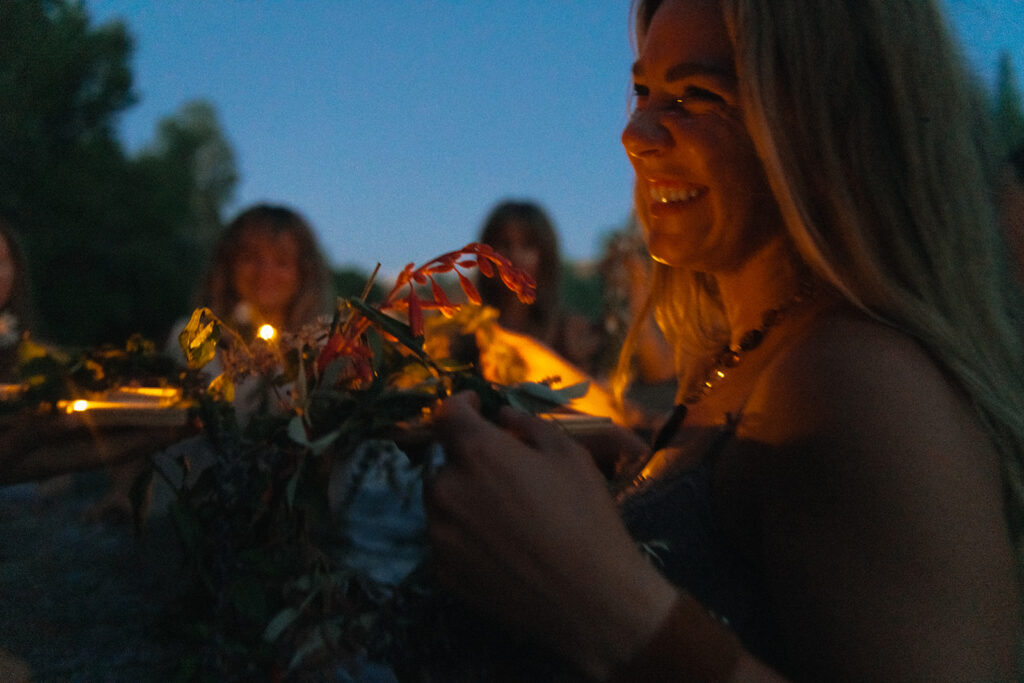
I genuinely love The Psychology of Ritual, but I actually think pairing it with Ritual by Dimitris Xygalatas would be especially powerful. Murry Hope explores ritual through symbolism, spirituality, and esoteric traditions, while Xygalatas examines why ritual works using anthropology and psychology. Together, they create a fascinating conversation between ancient wisdom and modern science, which aligns beautifully with Zion Canyon as the container, the power and mythical history brings us into a ritual-centered experience rather than simply a photography experience.


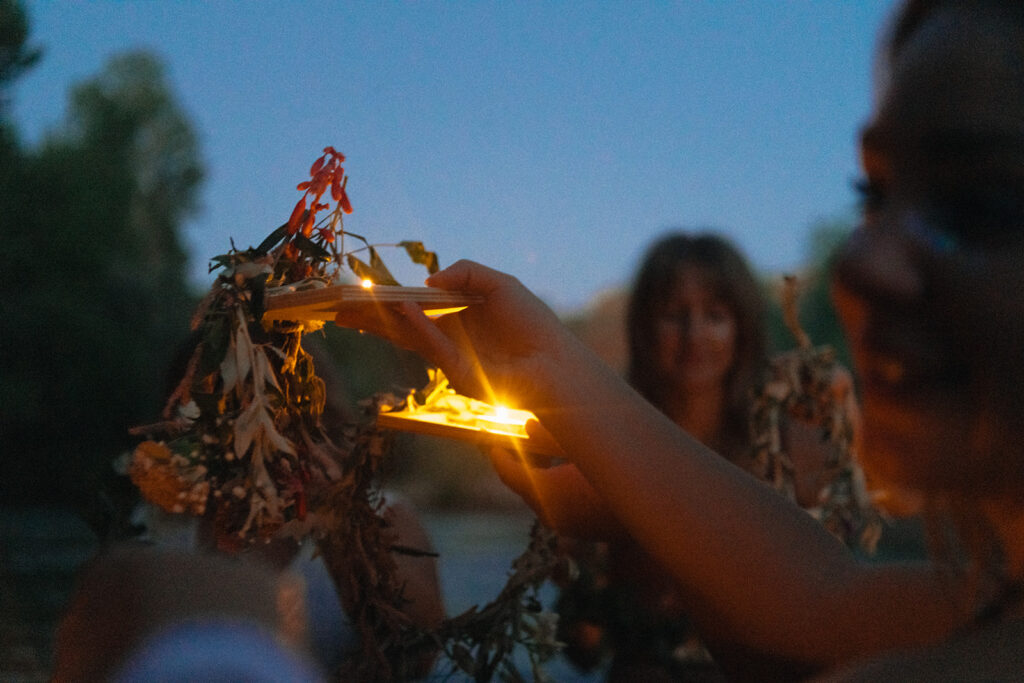
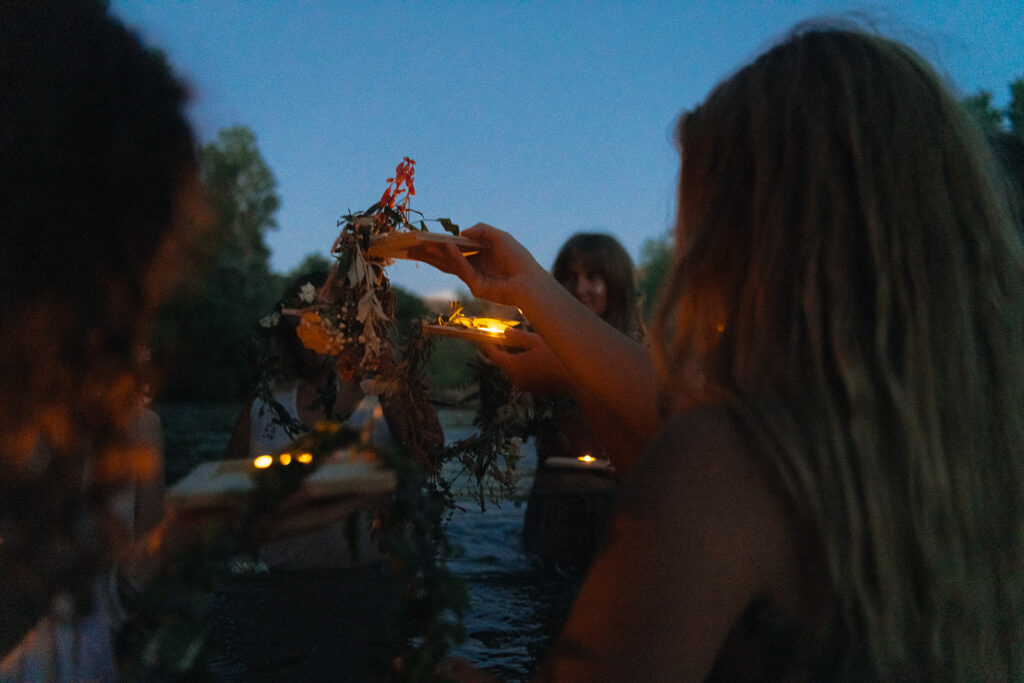
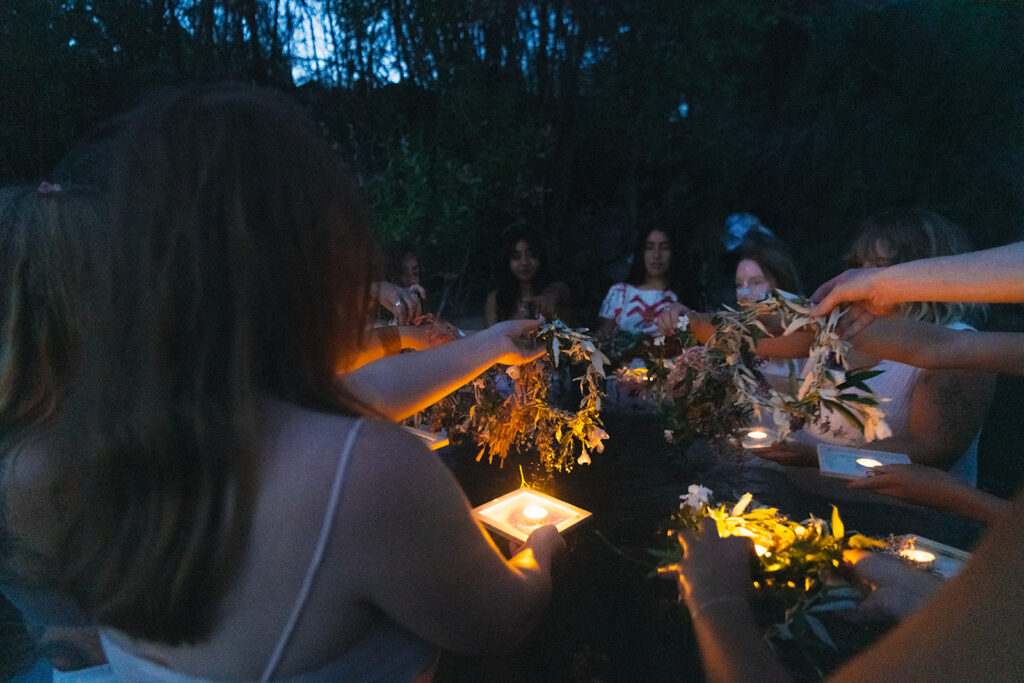
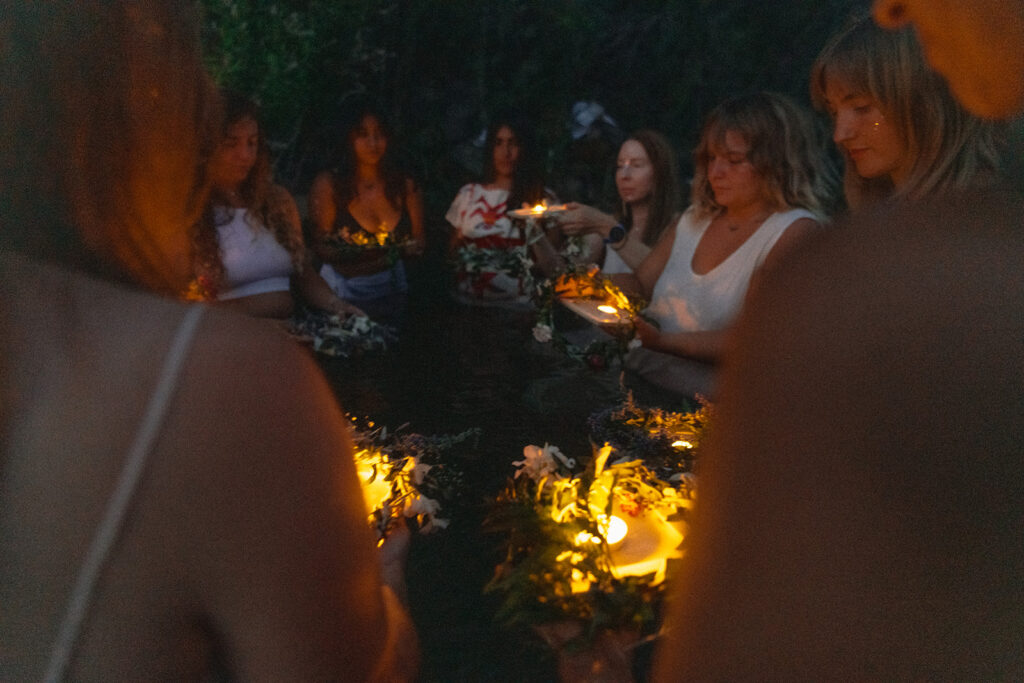
This way to learn more about Ritual
