Why Visit Zion National Park in Winter (and why locals secretly hope you do)
wedding services
elopement services
katie hope
January 10, 2026
Table of Contents
Zion in winter is the version of the park that whispers instead of shouts. The canyon is still grand, still sunlit, still impossible, but the pace changes. Trails breathe. Viewpoints feel like places again, not checkpoints. And if you’ve ever wanted to experience Zion National Park the way it feels on an early morning in March before the crowds arrive, winter is how you get that magic… without having to time travel.
If you’re planning a trip to Southern Utah and you’re wondering whether Zion is “worth it” in December, January, or February, here’s the truth: winter is one of the best seasons to visit Zion, especially if you value quiet beauty, comfortable hiking temperatures, and those rare, cinematic moments when snow kisses the red rock.
1) Fewer crowds, more canyon
The biggest reason to visit Zion in the winter is simple: space. Zion is hugely popular, and peak season can feel like a moving river of people. In winter, that river slows. Parking is often easier. Restaurants in Springdale feel relaxed. Trails that can feel shoulder-to-shoulder in summer suddenly have room for pauses, deep breaths, and the kind of unhurried conversations that make travel feel like travel again.
This matters whether you’re here for a family trip, a solo reset, or a romantic getaway. Fewer people in the background means your memories look cleaner, but even more importantly, the experience feels more private.
2) Winter light turns Zion into a cathedral
Photographers love winter in Zion for a reason that’s hard to explain until you see it: the sun sits lower in the sky, and the canyon holds light differently. In summer, light can be harsh and overhead. In winter, it pours in at an angle, gilding the sandstone, stretching shadows across the cliffs, and making the textures of the canyon walls feel three-dimensional.
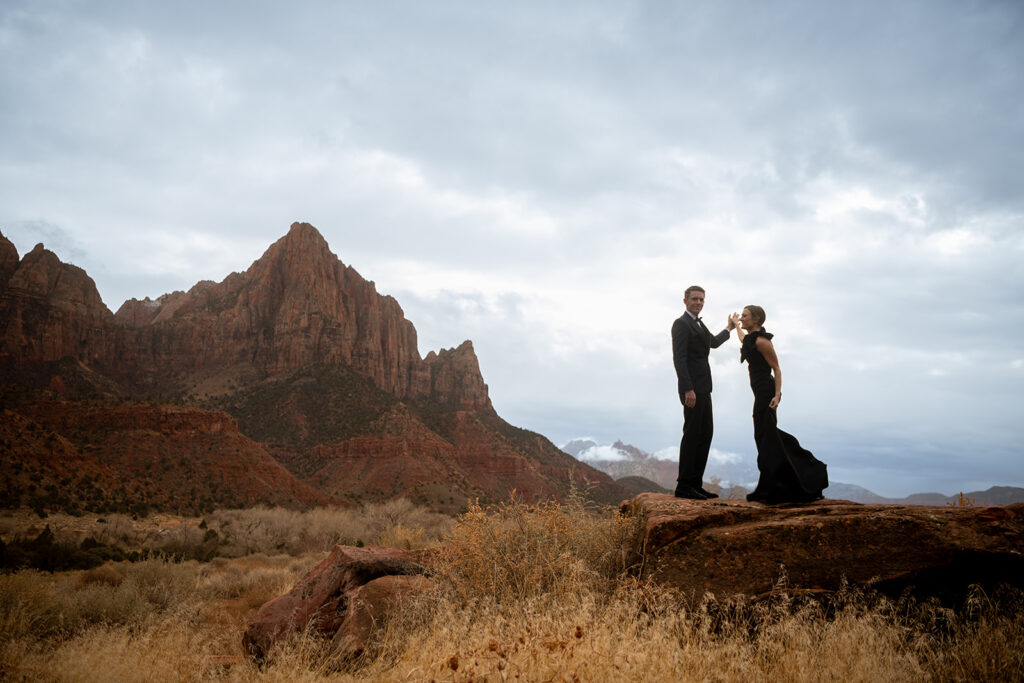
If you’ve ever wanted that warm glow on the Watchman at sunset, or that soft morning light along the Virgin River, winter is your season. Even on overcast days, the canyon can look moody and sculptural. It’s a kind of beauty that feels ancient and quiet, like the park is letting you in on a secret.
3) Cooler temperatures make hiking more enjoyable
Many of Zion’s most popular hikes are exposed, and summer heat can turn a “fun adventure” into a “why did we do this to ourselves” moment. Winter brings cooler temperatures that often make hiking in Zion far more comfortable.
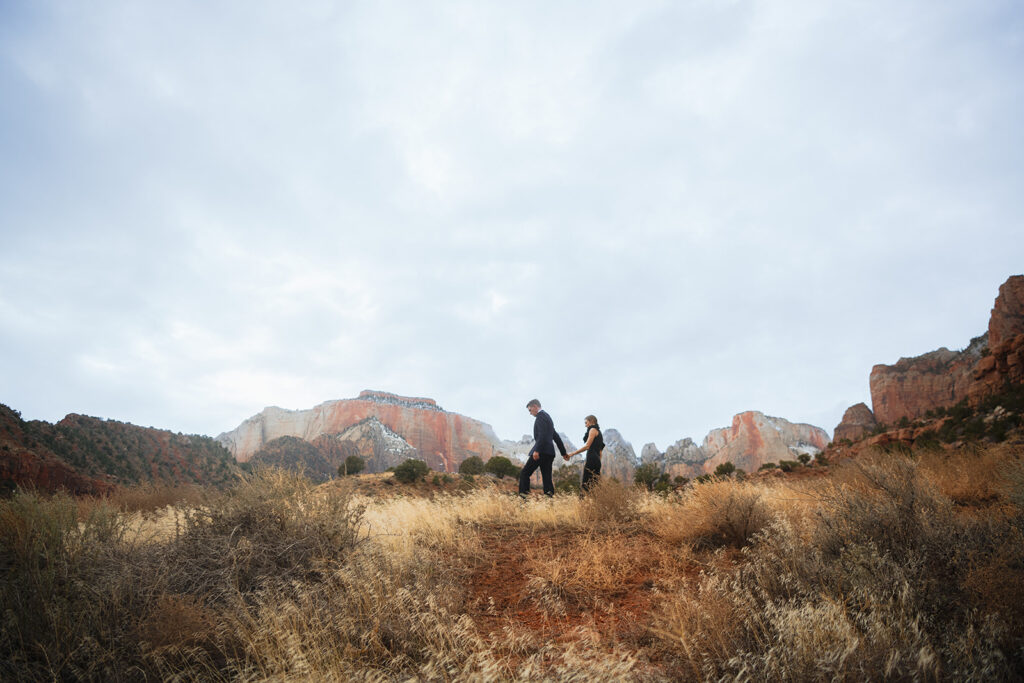
Trails that are excellent in winter (depending on conditions) include the Pa’rus Trail, Watchman Trail, Canyon Overlook, and many scenic walks along the river. You can explore longer without needing constant shade breaks, and you’ll usually have more flexibility with timing. A mid-day hike in winter can be downright pleasant compared to the intensity of a mid-day hike in July.
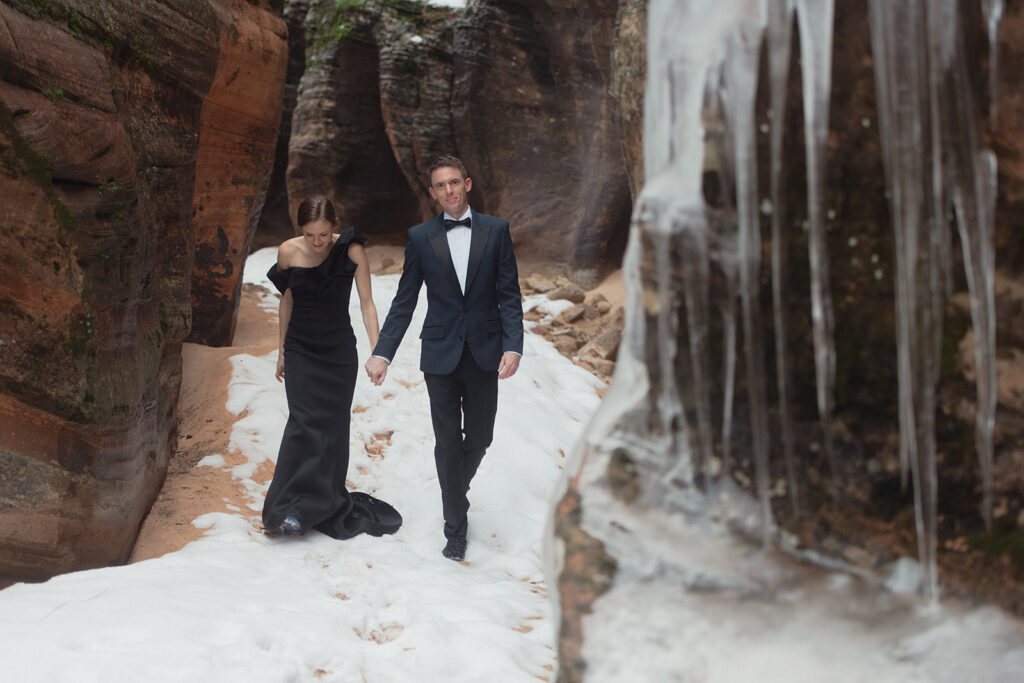
That said, winter hiking in Zion comes with its own considerations. Shaded sections can hold ice, and you’ll want to pack layers. It’s not “hard,” it just asks you to be prepared, the way the desert always does.
4) Snow on red rock is rare, and it’s magic
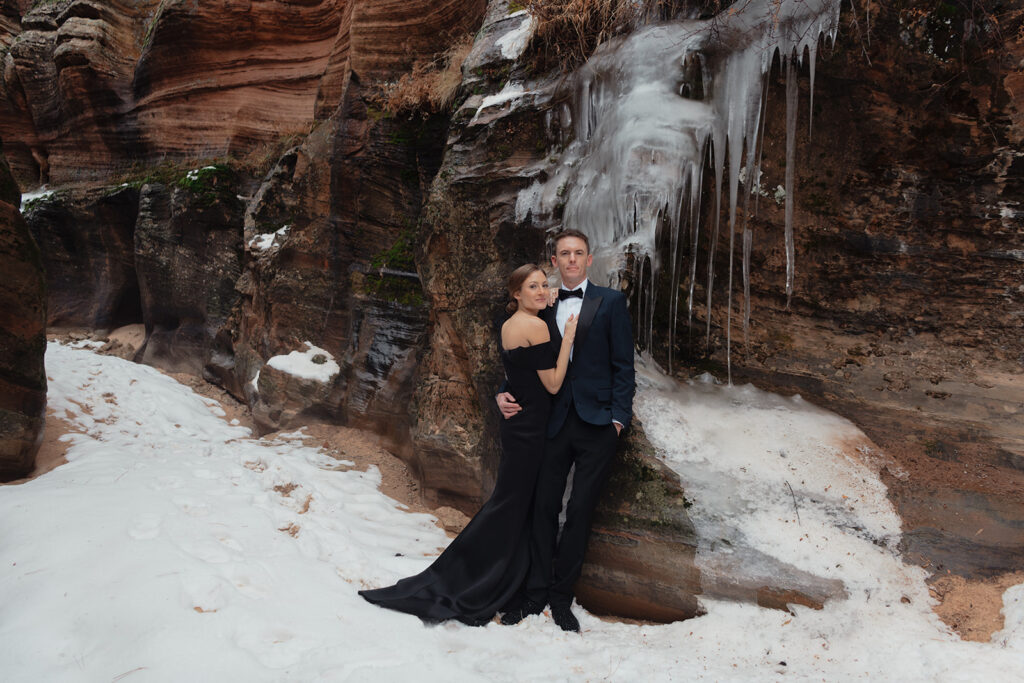
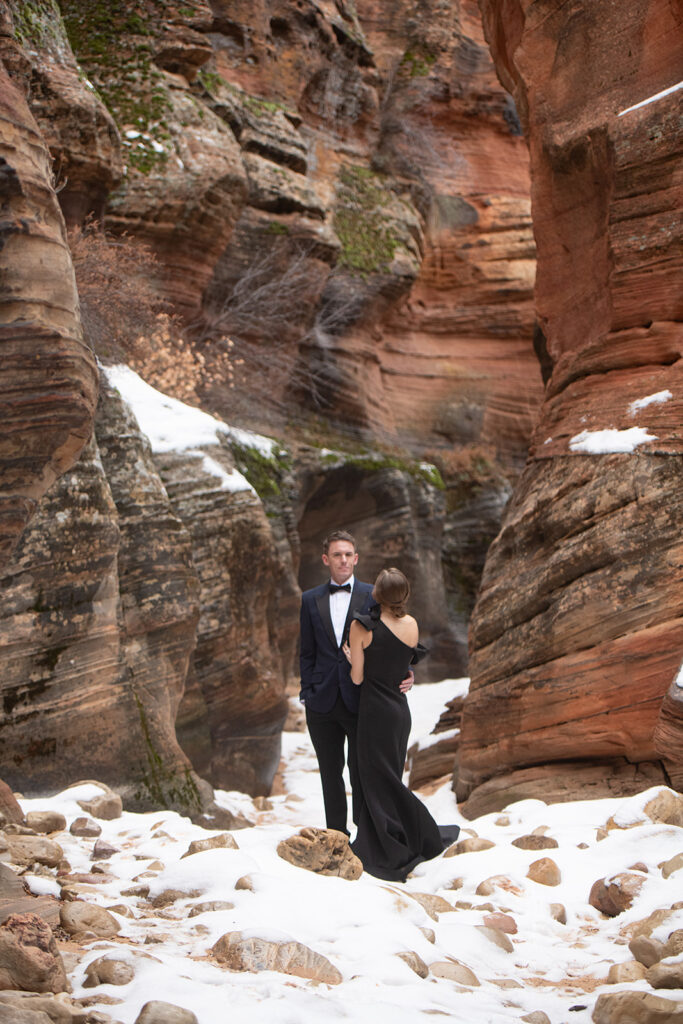
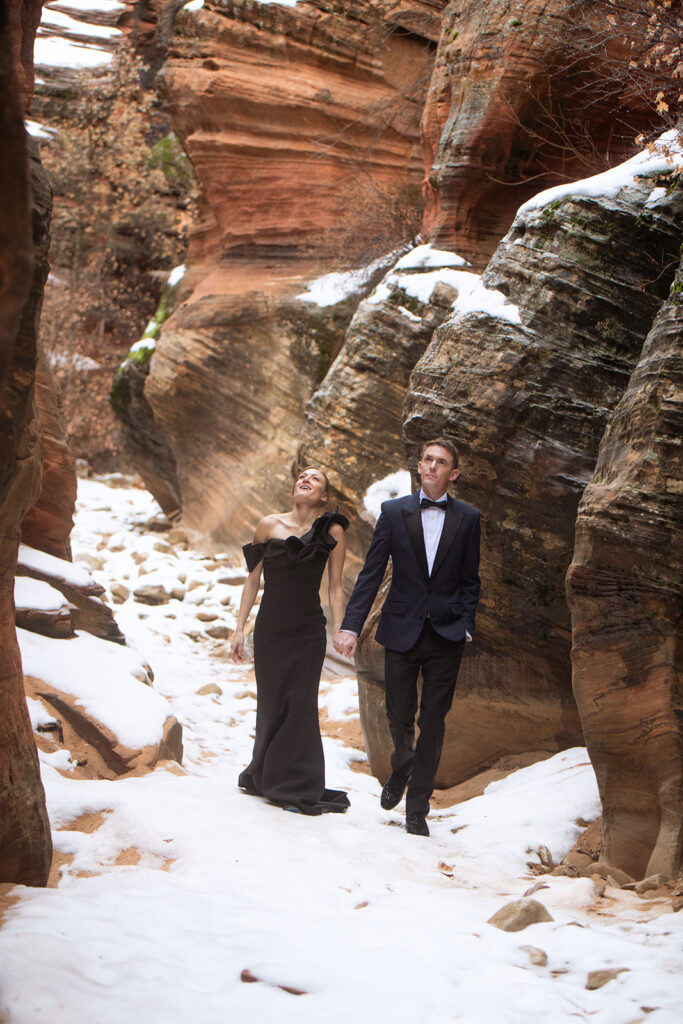
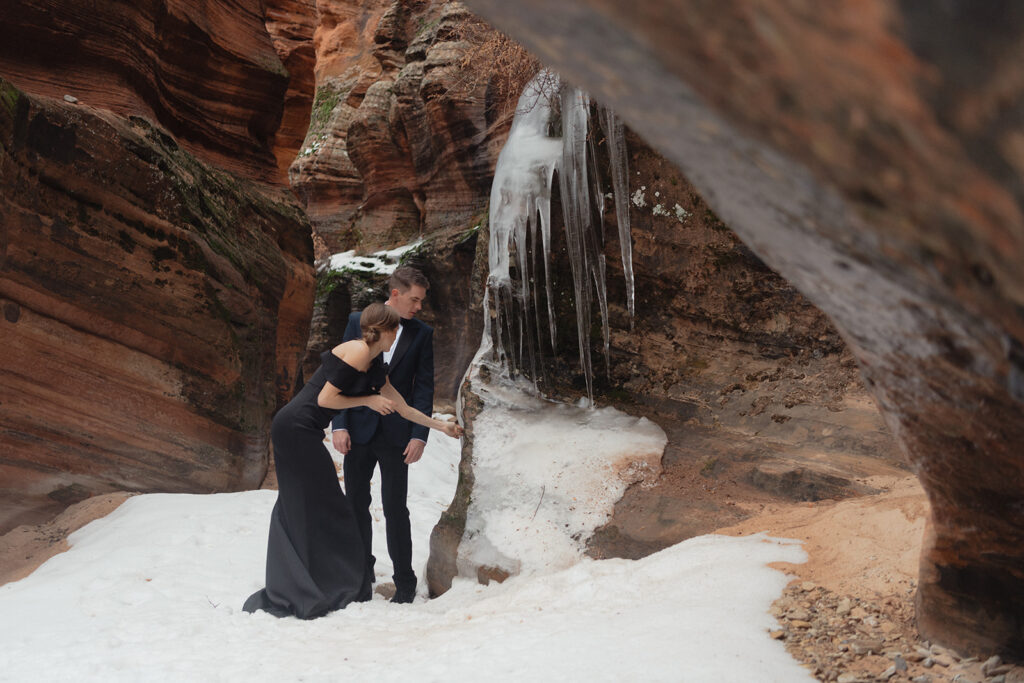
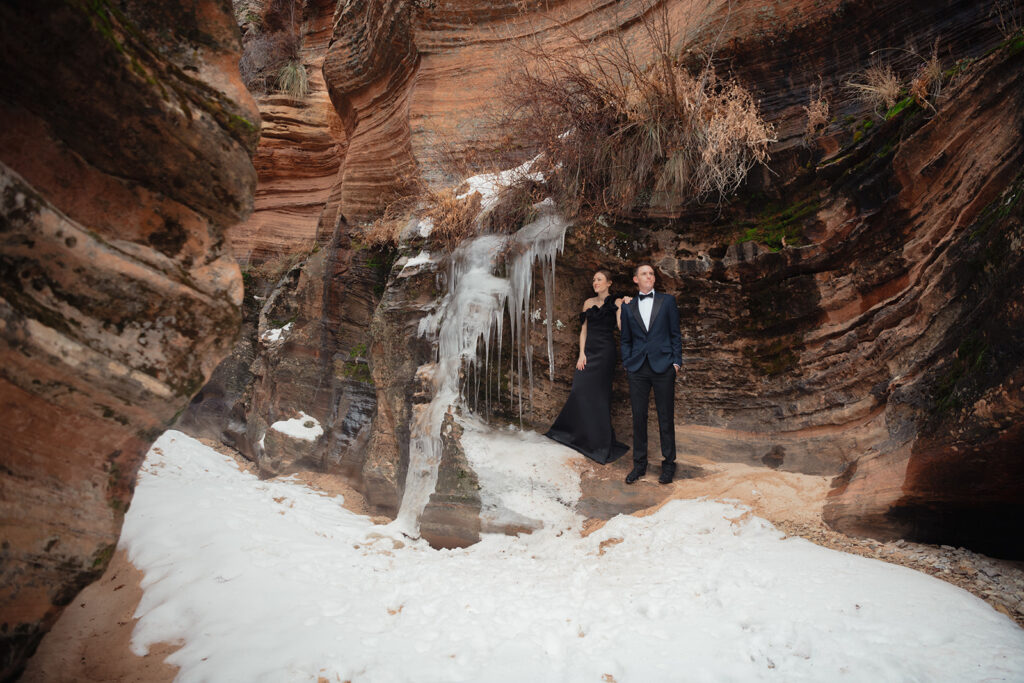
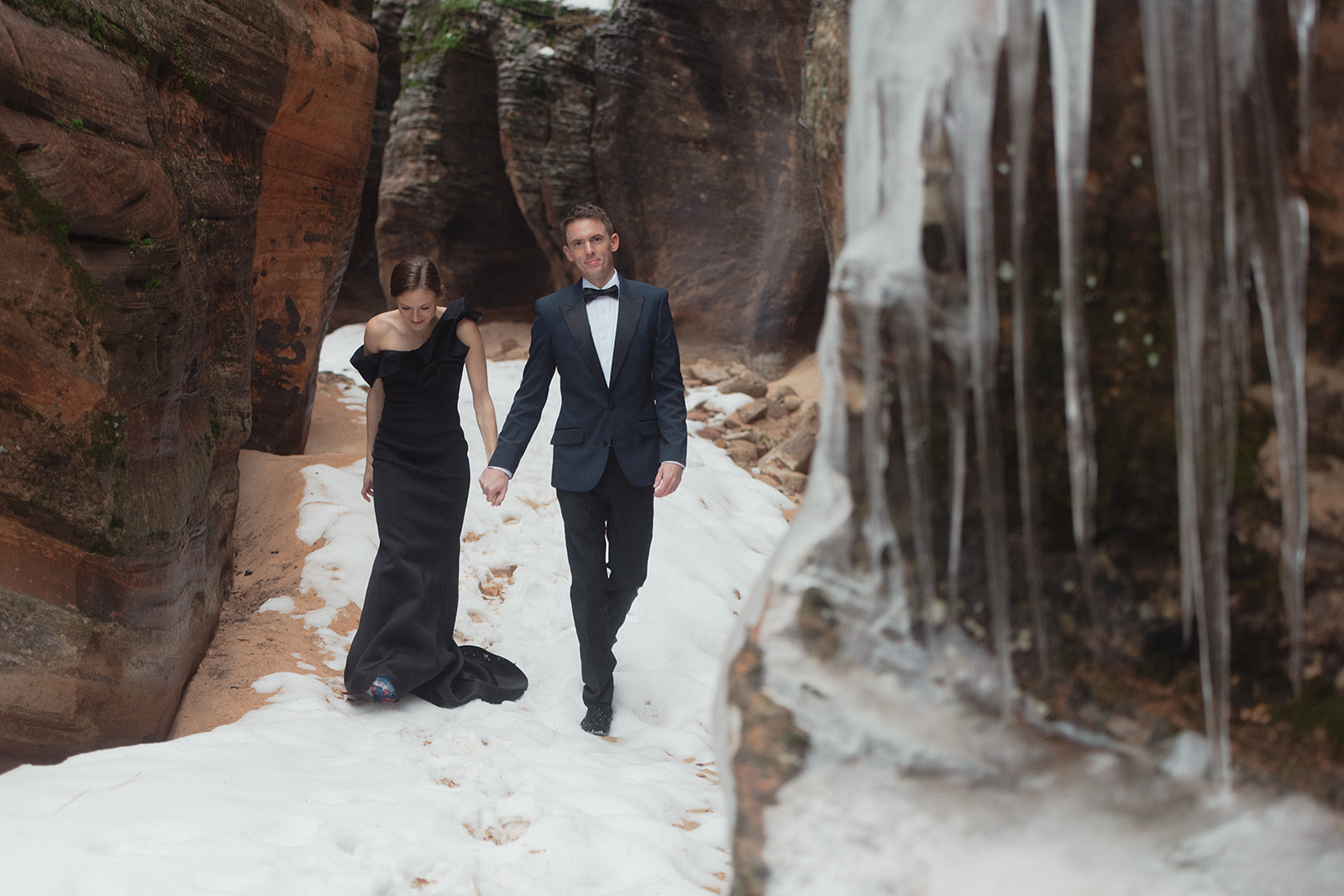
Zion doesn’t get snow every day in winter, and that’s part of what makes it special. When a storm rolls through and the cliffs wake up dusted in white, the whole landscape changes. Red sandstone and white snow together is one of the most striking color combinations in nature, and it can make familiar viewpoints feel brand new.
If you can be flexible with your dates, keep an eye on the forecast and consider visiting right after a storm (once roads and trails are safe). Those post-storm mornings are some of the most beautiful Zion can offer. The air is crisp, the canyon is quiet, and everything feels freshly rinsed.
5) Springdale is cozier and easier to enjoy
Springdale, Utah is Zion’s front porch, and in winter it becomes especially charming. Instead of fighting for a table, you can often walk into restaurants more easily. Coffee feels like an event. You can take your time. If you’re someone who loves a balance of adventure and comfort, winter makes it easier to do both: hike in the morning, hot meal in the afternoon, sunset stroll along the river, early night in a warm bed.
It’s also a great season for the kind of travel that includes galleries and slow dinners, not just trail mileage.
6) It can be a better season for couples and elopements
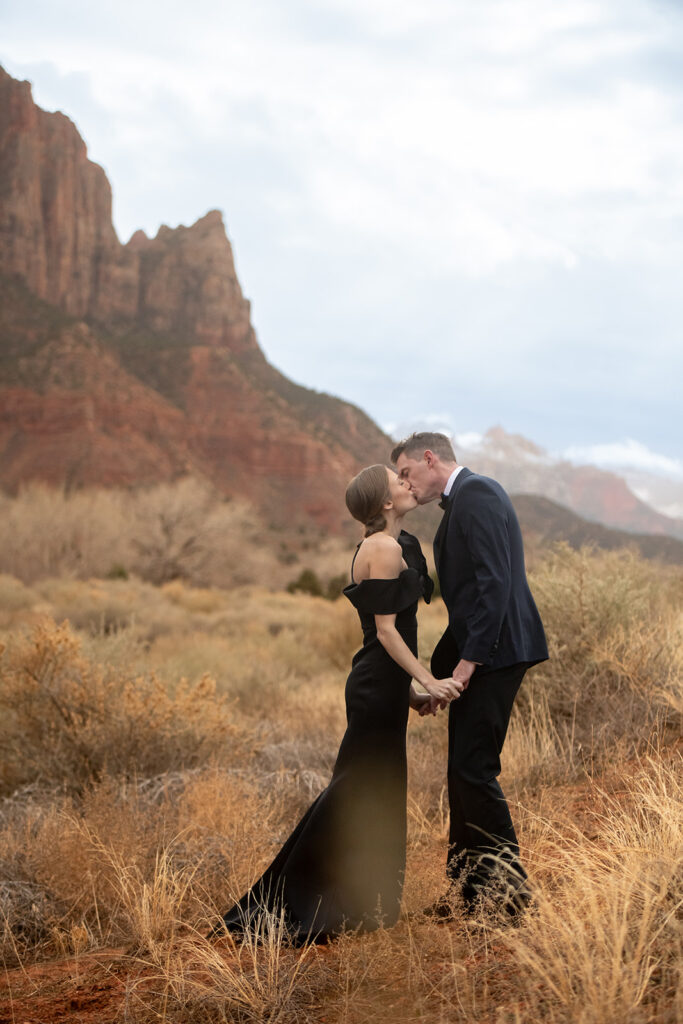
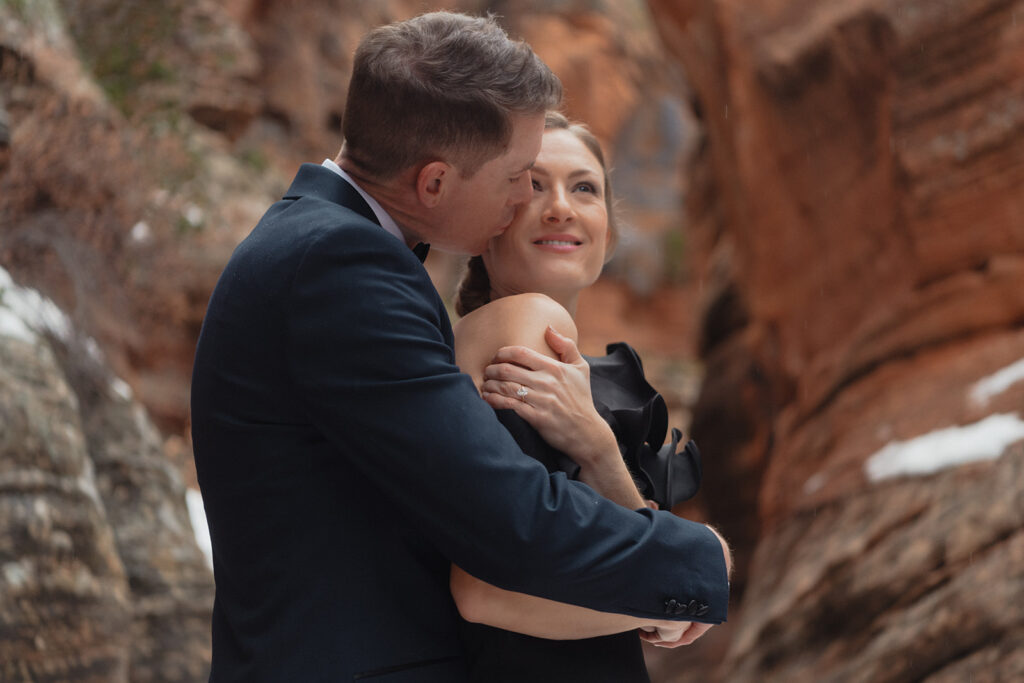
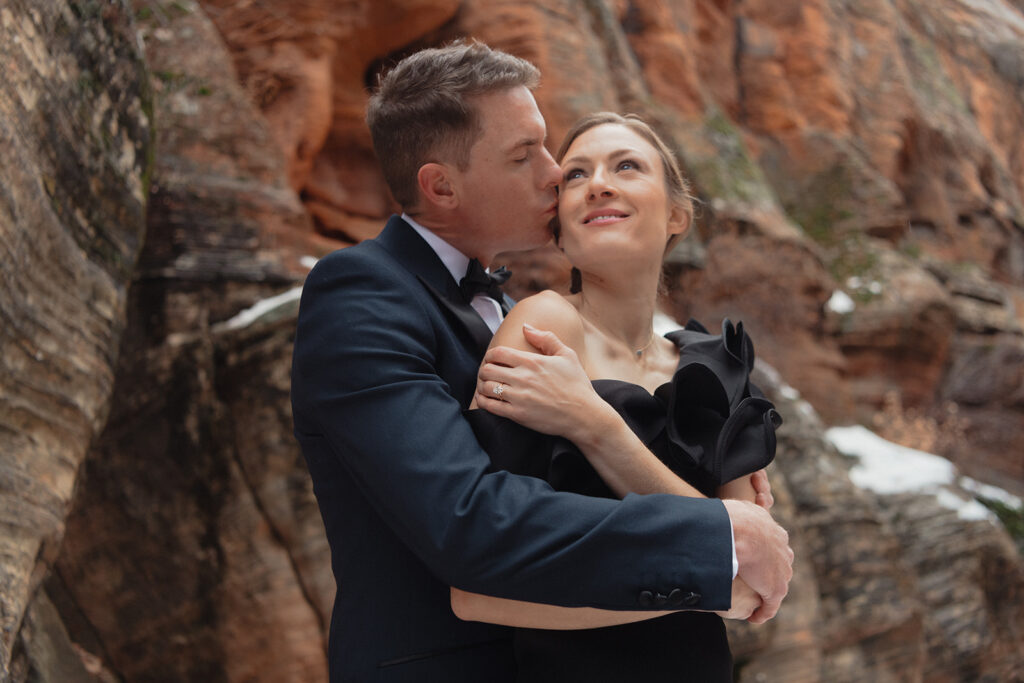
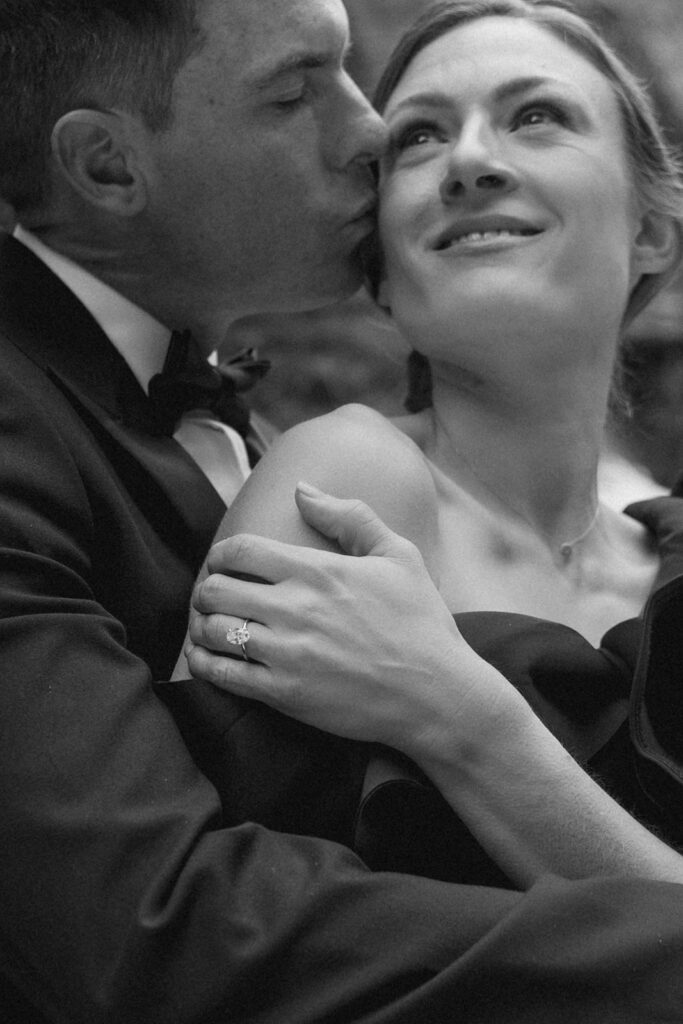
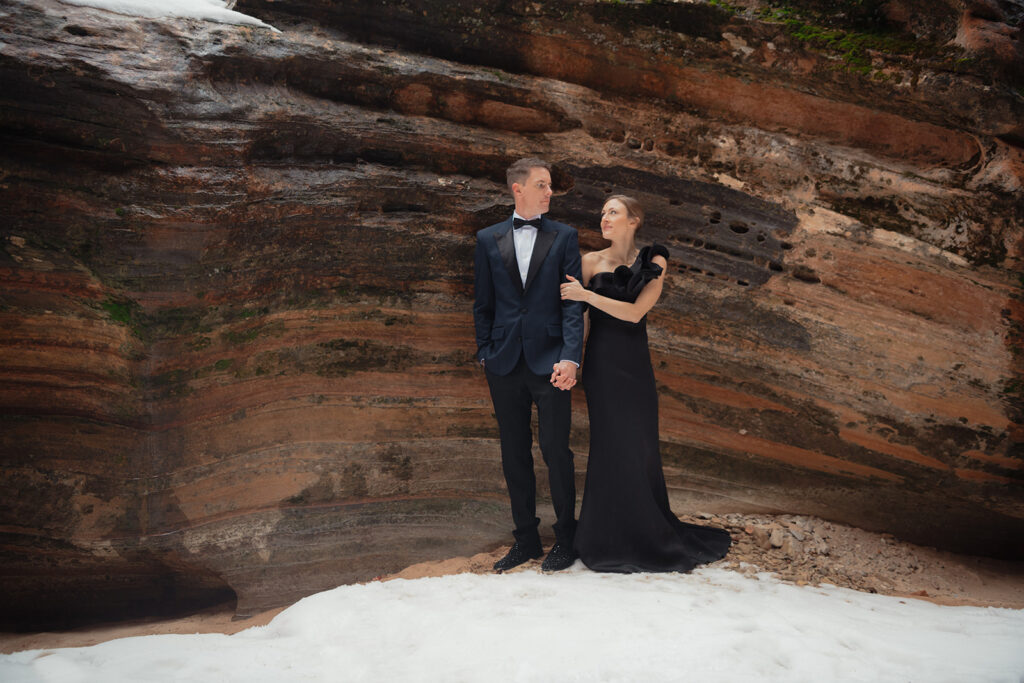
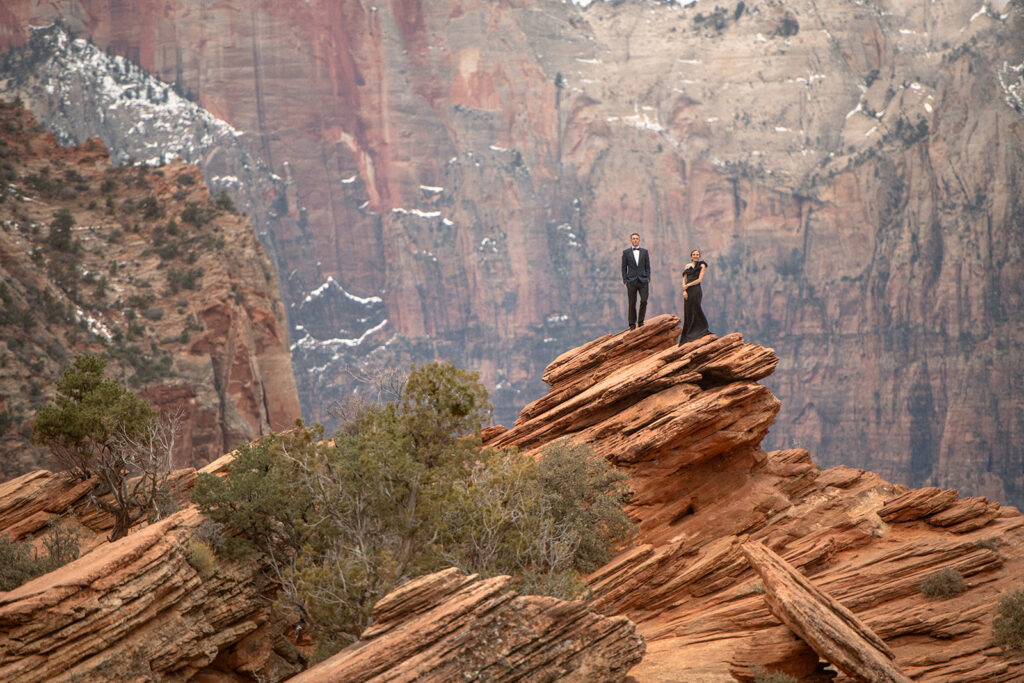
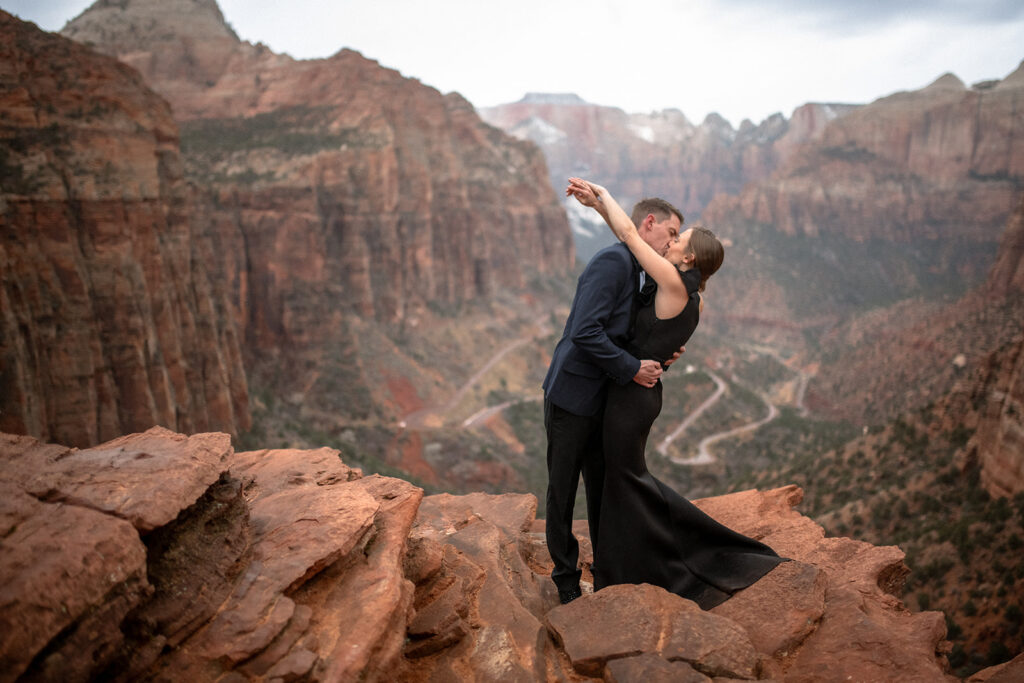
If you’re dreaming of a Zion elopement or intimate wedding and you want the park to feel personal, winter can be ideal. The soundscape changes. The trails feel quieter. The ceremony can feel like a true threshold, not a performance.
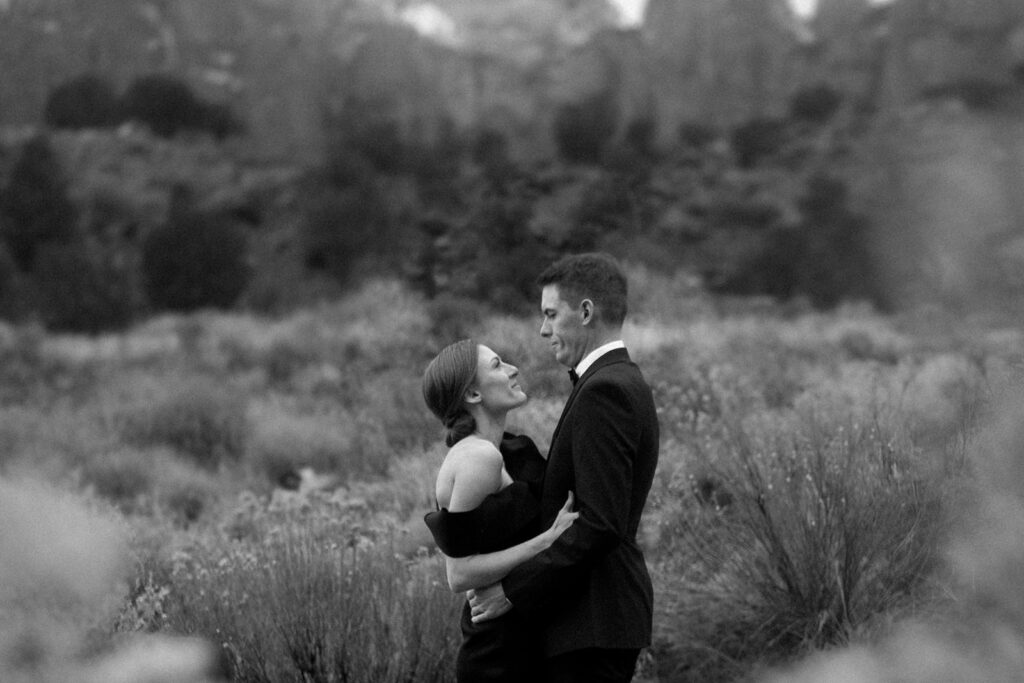
As a Zion-based photographer (The Wild Within Us), I’m biased, but I’ll say it plainly: winter elopement photography in Zion has a softness that summer doesn’t always allow. Not just because of light, but because of mood. Couples tend to slow down. They hold each other longer. They listen. They let the day unfold. And that’s when images become heirlooms, not just pretty pictures.
7) Stargazing is often incredible
Cold nights can mean clearer air, and Southern Utah skies are already famous. On a moonless winter night, the stars can feel close enough to touch. If you’re visiting Zion in the winter, plan for at least one evening where you bundle up, step outside, and let the sky do what it does best: remind you you’re small in the best possible way.
Winter reality check (the practical stuff locals actually do)
Winter in Zion is beautiful, but it’s not a “show up in sneakers and hope for the best” season. A few things to keep in mind:
• Daylight is shorter, so start earlier than you think. Sunrise and sunset come faster, and the canyon can feel dark earlier than the clock suggests.
• Ice happens. Shaded trails, especially in the morning, can be slick. Microspikes are a small item that can save your whole day.
• The Narrows in winter is usually a wetsuit or dry suit situation, and conditions vary. If it’s on your list, rent proper gear and check conditions before you go.
• Angels Landing permits are still required year-round, even in winter, so plan ahead if that’s your dream hike.
• Always check road, trail, and shuttle updates before you head in. Winter storms can affect access.
A simple winter Zion rhythm (that feels good, not rushed)
If you want a winter itinerary that feels calm and doable, here’s a pattern I often recommend:
Start your day with a warm drink in Springdale, then head into the park for a morning hike while the light is gentle and the trails are quiet. Come back for lunch and a break when the canyon is brightest. In late afternoon, choose a viewpoint or short trail for sunset glow. Then finish with an early dinner and a slow evening, letting your body recover and your mind catch up with what you just saw.
Zion rewards the people who don’t try to cram it into a checklist. Winter makes that slower style of travel easier.
Best things to do in Zion in winter (quick inspiration)
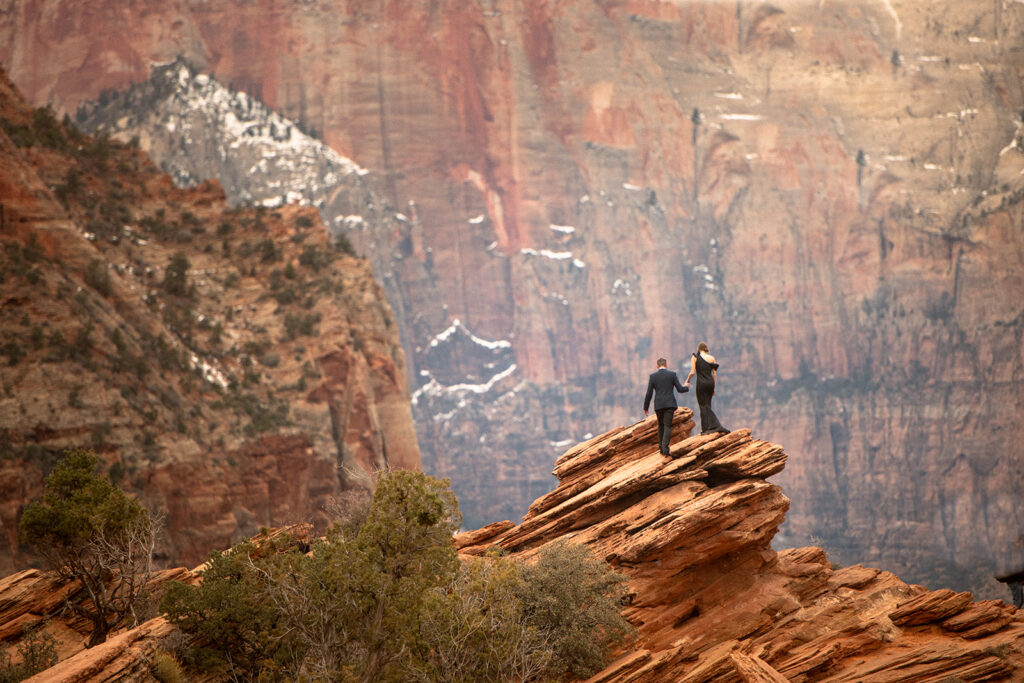
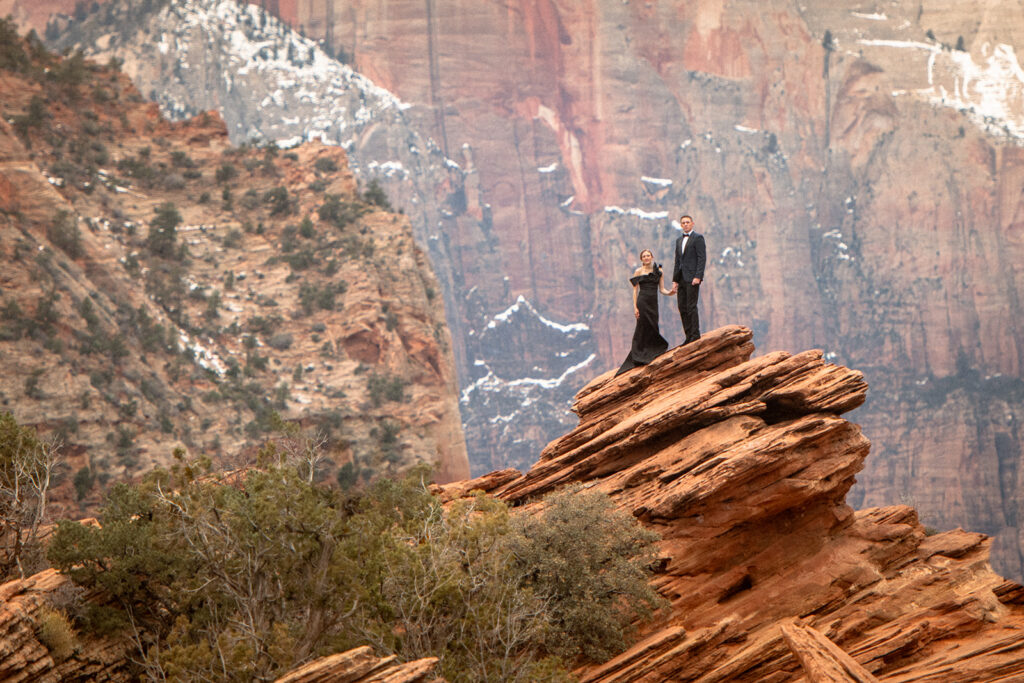
If you’re building a “things to do in Zion in winter” list, think scenic, flexible, and light-friendly. Canyon Overlook is a short hike with a big reward, especially near sunrise. The Pa’rus Trail is perfect for an easy walk or bike ride with river views, and it’s one of my favorite places for cozy couple photos when the cottonwoods are bare and the cliffs feel extra bold. Watchman at sunset is a classic for a reason, and winter often gives you that calm, glowing finish without the crowds.
If you have extra time, consider a day trip toward Kolob Canyons or even a drive to viewpoints outside the main canyon. Winter is also a beautiful season for simple rituals: a thermos of something warm, a handwritten note you read to each other at the overlook, a slow dinner where you actually talk about what the day felt like.
Ready to plan your winter visit (or a winter elopement in Zion)?
If you’re coming to Zion National Park in winter and you want help choosing trails, timing your day for the best light, or creating a relaxed elopement experience that feels both wild and cared for, I’d love to help.
I’m Katie Hope, a Zion local and the photographer behind The Wild Within Us. I guide couples through the logistics and the feeling of the day, from locations and timelines to the small ritual details that turn “a trip” into a memory you’ll keep revisiting.
Send me a message with your dates and what kind of experience you want (easy scenic walks, big hikes, cozy-and-romantic, or full adventure). I’ll point you toward what makes the most sense for the season, and we’ll build something that fits winter’s quieter kind of magic.